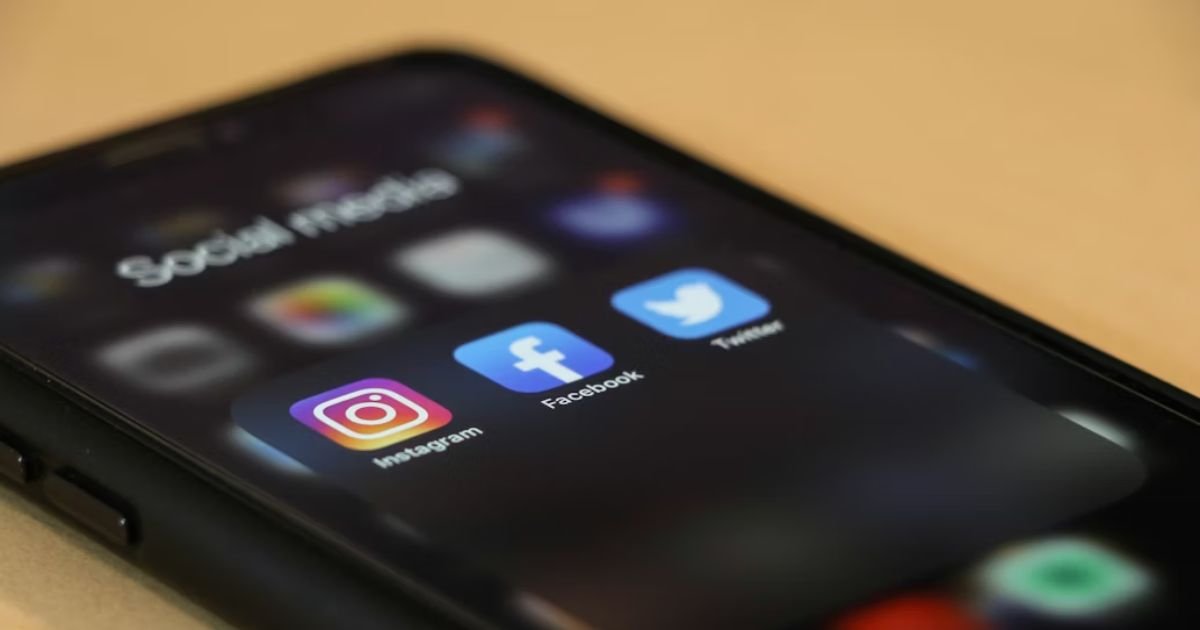

Your brand lives online now, whether you manage it or not. Every comment, review, and social media mention shapes how people see you. Recent data shows that nearly 79% of Gen Z consumers prioritize brand trust above all else, outpacing every other generation in their vigilance.
This generation witnessed brands stumble in real time, from tone-deaf campaigns to controversial messaging that sparked immediate backlash. Even established names face scrutiny.
When American Eagle launched an ad campaign with Sydney Sweeney playing on genetic wordplay, the response was swift and unforgiving. Social platforms amplified criticism within hours.
Today, reputational risks move faster than traditional PR cycles ever anticipated. This guide walks you through monitoring your online presence, responding to challenges, and recovering when things go wrong.
Know How the Algorithm Thinks
Social media platforms don’t care about your brand reputation. They care about engagement. Every post, comment, and share gets ranked by algorithms designed to maximize user attention, not protect your image.
The system cannot distinguish between favorable content and damaging content, nor can it separate truth from falsehood, according to https://mediacomponents.com/. It simply amplifies whatever people click, share, and react to.
Even a single negative review or critical post can reach thousands if it sparks conversation, while your carefully crafted positive messaging might languish unseen. Understanding this mechanism is your first line of defense.
When you recognize that virality follows emotion rather than accuracy, you can anticipate which types of content pose the greatest risk. Monitor trending conversations in your industry. Watch what gets traction.
Pay attention to emotional triggers that drive sharing behavior. The algorithm rewards controversy and strong reactions, so your monitoring strategy needs to account for this bias.
Watch What Your Leaders Say Publicly
Executive statements can destroy reputations overnight, regardless of intent. Kellogg’s faced widespread condemnation when its CEO suggested that economically struggling families could save money by eating breakfast food for dinner.
The comment, meant as a budget tip, read as tone-deaf and dismissive to consumers facing genuine financial hardship. Social media amplified the outrage within hours. The disconnect between corporate wealth and everyday struggles became the story, not the product itself.
Your leadership team needs media training and message vetting before speaking publicly. One unfiltered comment can undo years of goodwill. Consider hiring an online reputation management expert before situations escalate.
These professionals can monitor conversations, flag potential issues, and help craft responses that resonate authentically. Prevention costs far less than recovery, and you know it. Train executives to pause, consider context, and recognize how words land with different audiences before speaking.
Respond Quickly, But Not Rashly
Time works against you in a reputational crisis, but panic makes things worse. When negative content starts spreading, you have a narrow window to address it before the narrative solidifies.
People form opinions fast online. Silence gets interpreted as guilt or indifference. However, rushing out a defensive or poorly thought-out response can amplify the problem.
Take enough time to understand what happened and why people are upset. Gather facts from your team. Identify the core issue behind the complaints. Then craft a response that acknowledges concerns without making excuses.
Apologize when appropriate. Explain what you’re doing to fix the problem. Avoid corporate jargon and legal language that sounds evasive. Your response should feel human, direct, and genuinely concerned with making things right. Speed matters, but authenticity matters more.
Decide Your Values Before Crisis Hits
You cannot build your principles in the middle of a firestorm. Recent months have shown how quickly companies can face backlash for reversing course on commitments. Several major retailers and tech giants withdrew diversity programs following political pressure and activist campaigns, triggering intense online criticism.
Consumers accused these brands of abandoning promises the moment conditions changed. Social media erupted with allegations of performative values and corporate opportunism.
The lesson here is quite simple: know what you stand for before anyone asks. When you shift positions based on external pressure, people notice. They question your authenticity. They wonder what else you might abandon when challenged. Document your core values now.
Make decisions that align with those principles consistently. Train your team to recognize when proposed actions contradict stated beliefs. Authentic commitment can effectively withstand scrutiny because your track record supports your words.
Build Goodwill Before You Need It
Recovering from reputational damage might feel impossible when nobody knows who you are. Brands that maintain real relationships with their communities often survive crises that would surely destroy others. The difference comes down to accumulated trust. Think about the companies you’ve forgiven after they stumbled.
Chances are, you had a positive history with them first. You remembered when their customer service solved your problem at midnight. You recalled the helpful guide they published that saved you time. You saw their team celebrating small wins and admitting mistakes along the way.
It’s this history that creates context when something goes wrong. People pause before condemning because they’ve witnessed your character repeatedly. Now, compare this to brands you barely recognize. When they face criticism, you have no reference point, no reason to question the negative narrative.
The verdict forms instantly because there’s nothing pulling in the other direction. Your reputation compounds over time through thousands of small interactions that either build reserves or leave you vulnerable.
Protection Starts With Preparation
Reputational risks will find every brand eventually, regardless of size or intention. What separates companies that survive from those that crumble comes down to preparation and authenticity. The tools and strategies outlined here work when implemented before problems emerge. Begin monitoring, clarifying values, and engaging your community now while you still have some breathing room.