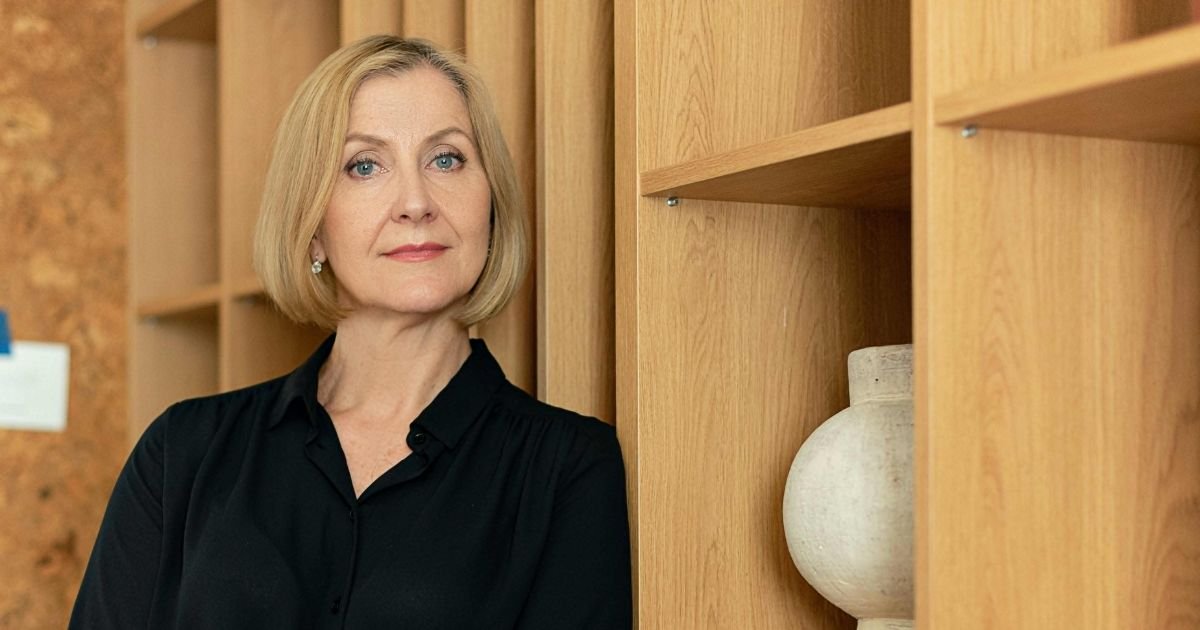

In today’s competitive professional landscape, success often hinges not just on what a leader knows but on how they show up. This concept is captured by leadership presence, which is the ability to inspire confidence and exert influence through deliberate communication, behavior, and physical bearing. It is the intangible quality that transforms a competent manager into an influential leader.
As expectations rise, many professionals are taking intentional steps to strengthen their presence, from refining communication styles to enhancing their physical appearance. In fact, subtle aesthetic improvements like chin augmentation are increasingly being used to create a more balanced, confident look that supports a strong executive image.
This article explores why leadership presence matters more than ever and the diverse ways professionals are elevating it to advance their careers.
The Business Case for Leadership Presence
Leadership presence directly impacts career trajectory, yielding higher salaries and better opportunities for those who possess it. During high-stakes situations like negotiations or crisis management, it determines whether stakeholders trust your judgment.
According to TradeFlock, work by CTI shows that executive presence is built on three dimensions: gravitas, communication, and appearance. Gravitas, which is decisiveness, emotional intelligence, and calm under pressure, accounts for nearly two-thirds of the impression. Communication contributes about one-quarter, while appearance reinforces credibility and professionalism.
Given these factors, developing a strong presence is a strategic investment, not vanity. It influences team morale and builds credibility, translating directly to closed deals and organizational success. Consequently, many companies now offer leadership presence training as a core part of professional development.
Communication Skills and Executive Voice Training
Effective communication is the foundation of leadership presence, extending beyond mere vocabulary. As Nexford University notes, open, transparent communication and active listening foster employee loyalty, morale, and engagement. This clarity and effectiveness are exemplified by successful companies like Apple and Microsoft.
Professionals utilize executive voice training to develop vocal authority, focusing on pitch, tone, and pacing while eliminating verbal fillers like “um.” Articulation exercises ensure messages land with greater impact.
Beyond voice, communication presence involves mastering storytelling and adapting your style to various audiences. In the virtual environment, leaders now prioritize presence through the screen, learning optimal camera positioning and engagement techniques. These intentional efforts strengthen relationships, boost influence, and ensure leaders are heard clearly.
Body Language and Nonverbal Communication Mastery
Nonverbal cues account for a significant portion of perception, making body language crucial for leadership presence. As Forbes notes, communication must be congruent. When nonverbal messages conflict with words, people rely on what they see, disregarding verbal content.
Posture is key. Standing tall with an open stance signals authority, while slouching conveys insecurity. Professionals work to eliminate distracting habits like fidgeting or touching their face. Deliberate eye contact establishes trust, and purposeful hand gestures enhance message delivery.
Leaders must practice entering rooms confidently, occupying space appropriately, and using movements that reinforce their message. Even techniques like “power posing” before meetings can influence your confidence through subtle physiological changes, ensuring your physical bearing supports your executive voice.
Strategic Wardrobe and Personal Styling
Visual appearance powerfully influences first impressions and perceptions of leadership capability. Strategic wardrobe choices signal professionalism and attention to detail, aligning your style with your industry and leadership aspirations.
The goal is not trendiness but a timeless, polished presentation. Investment in quality, properly fitted clothing is non-negotiable, as ill-fitting attire undermines presence. Colors also convey psychological messages, with deeper tones signaling authority.
Many professionals engage stylists to curate a look that supports their executive image. Equally important are high grooming standards, including polished haircuts and manicured details. Accessories should be purposeful, not distracting. By mastering your visual presentation, you ensure your competence and authority take center stage, creating a confident and credible leadership image.
Physical Appearance Enhancements and Aesthetic Procedures
Many professionals are turning to subtle physical enhancements to project confidence and vitality as part of their leadership presence strategy. Cosmetic procedures are increasingly viewed as career investments, much like coaching or advanced training.
Non-invasive treatments such as Botox, fillers, and laser therapies help reduce signs of aging that may influence perceptions of energy or capability. Dental enhancements, including whitening or alignment, boost confidence during presentations and client interactions.
Chin augmentation, in particular, has gained attention for its ability to create stronger, more balanced facial profiles associated with determination and authority. According to Shah Aesthetic Surgery, chin enhancement is an option for both women and men. It helps redefine the lower face and neck, creating a more structured and refined appearance.
Many professionals also pursue hair restoration to maintain a youthful, polished image. These choices are personal but increasingly accepted in modern professional culture.
Emotional Intelligence and Authentic Connection
Authentic connection is the soul of leadership presence, essential as leaders navigate complexity and uncertainty. Emotional intelligence (EQ) enables leaders to remain grounded, listen deeply, and respond thoughtfully, not reactively.
As Google’s Project Aristotle found, EQ is crucial for creating psychological safety, the strongest predictor of team effectiveness. This safety, which starts at the top, allows trust and collaboration to thrive.
Leaders with strong presence possess self-awareness, accurately read room dynamics, and build loyalty through empathy. Managing emotional reactions under pressure demonstrates stability. Vulnerability, when appropriate, humanizes leaders. Developing EQ through coaching and feedback helps leaders model integrity and genuine care, differentiating truly compelling presence from surface-level impression management.
Frequently Asked Questions
Can leadership presence be developed, or is it an innate quality?
Leadership presence is absolutely developable through deliberate practice and strategic improvements. While some personality traits may create natural advantages, the core components, like communication skills, appearance, and emotional intelligence, can all be refined. Professional coaching, feedback integration, and consistent effort yield significant improvements for motivated professionals.
How long does it take to noticeably improve leadership presence?
Basic improvements in body language and communication habits can become apparent within weeks of focused practice. However, developing authentic, consistent leadership presence typically requires 6-12 months of dedicated effort. Physical appearance enhancements show results on varying timelines depending on the approach chosen, from immediate wardrobe changes to healing periods for aesthetic procedures.
Is investing in appearance enhancements appropriate for professional development?
Professional appearance investments are personal decisions that many successful leaders make as part of comprehensive presence strategies. When combined with substantive skill development and authentic leadership qualities, appearance enhancements can boost confidence and improve first impressions. The key is ensuring external investments complement rather than replace genuine competence, integrity, and emotional intelligence development.
Leadership presence is a blend of confidence, authenticity, and continuous growth that shapes how professionals influence and inspire. By investing in communication, emotional intelligence, personal styling, and strategic development, leaders strengthen their impact. Ultimately, cultivating presence is a long-term commitment that drives career success and organizational effectiveness.