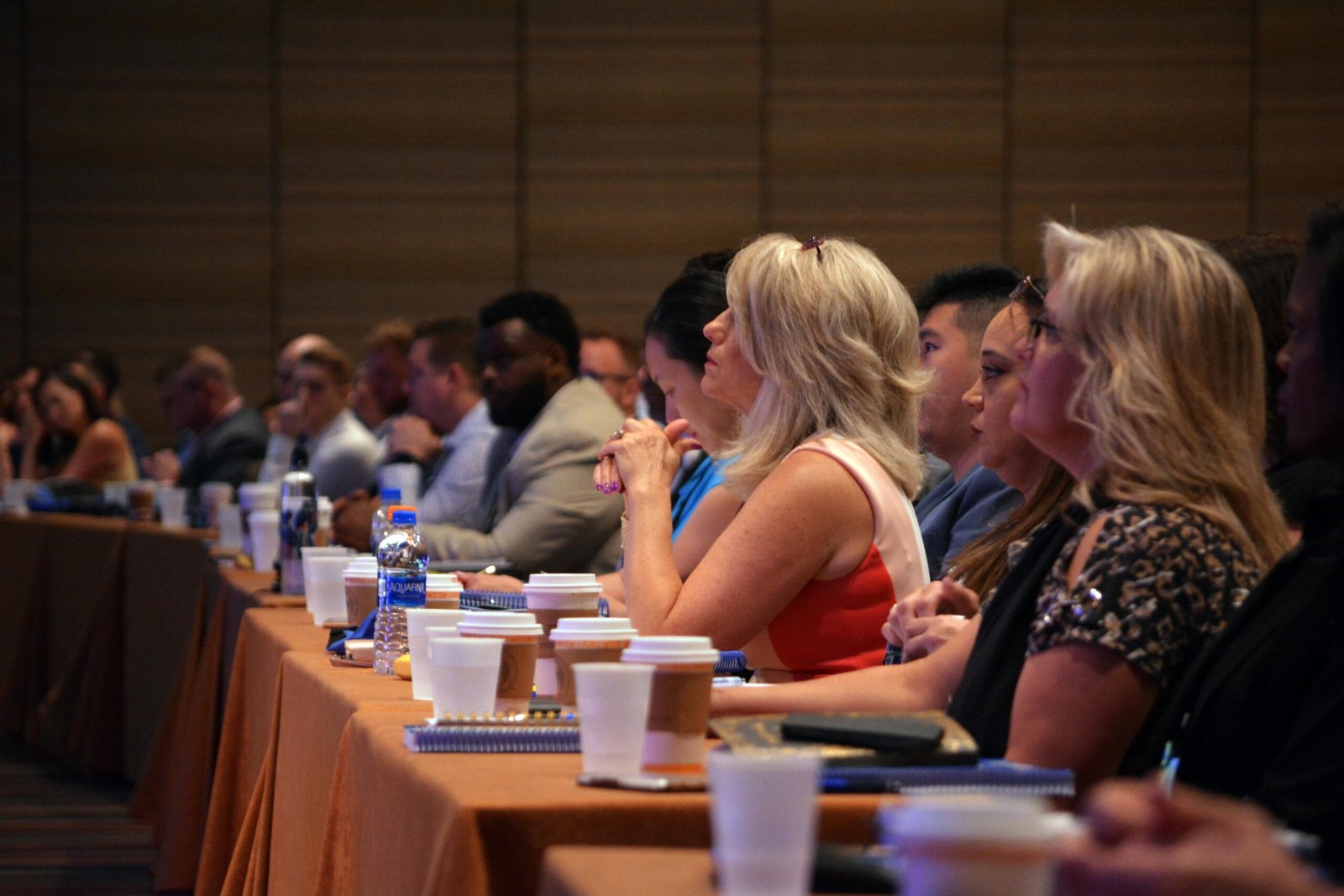

In highly competitive markets, leadership influence is shaped not just by vision, but by the environments leaders choose to engage their audiences. Business events have evolved into strategic tools that signal authority, credibility, and intent. A destination like Aspen highlights how expectations around executive events continue to rise.
Industry reports show Aspen is now the most expensive tourist destination in the U.S., surpassing cities like New York and Los Angeles. The destination attracts an affluent, high-profile audience, where attention to detail and premium execution are expected. In such settings, partnering with an experienced event production company in Aspen becomes essential for leaders aiming to stand out.
In this article, we’ll explore how business events shape leadership influence and why strategic execution matters in competitive markets.
Positioning Leaders as Industry Authorities Through Curated Events
Curated business events help leaders establish authority by placing them in focused, high-impact environments. Rather than mass exposure, these events prioritize relevance, dialogue, and credibility.
The 2025 State of Events and Industry report shows that 57 percent of organizers saw higher attendance at B2B conferences and summits last year. Additionally, 66 percent plan to host more events this year than last year. Investment levels also reflect growing confidence, with 39 percent of respondents managing event budgets exceeding one million dollars in 2024.
When leaders anchor themselves to well-designed events, they benefit from this momentum. Over time, curated events position executives as trusted voices shaping industry conversations.
Strengthening Executive Relationships Beyond Digital Interactions
Digital tools make communication faster, but they rarely replace the depth created through in-person engagement. Business events give leaders the space to build trust through real conversations. Face-to-face settings allow executives to read context, intent, and nonverbal cues more clearly.
A study by Accor found that 41 percent of professionals believe face-to-face interactions are more effective for business outcomes. The same study shows 37 percent see in-person meetings as essential for building company culture. Additionally, 35 percent report higher engagement during live interactions.
These moments often lead to stronger relationships than ongoing digital communication. In competitive markets, such connections can significantly influence long-term leadership impact.
Controlling Narrative and Brand Perception Through Event Design
Event design plays a direct role in shaping how leadership messages are received and remembered. Every element, from layout to session flow, influences audience perception. Well-structured environments help leaders guide conversations with clarity and intent. This control becomes harder to achieve through purely digital formats.
A study by ScienceDirect reflects that in-person formats encourage richer engagement and more informal interaction than virtual settings. This allows messages to land with greater context and emotional clarity. These richer interactions allow for spontaneous conversations, immediate feedback, and stronger emotional resonance.
When leaders design events intentionally, they reduce misinterpretation and strengthen brand consistency. Thoughtful event design ensures the narrative stays aligned with leadership vision. In competitive markets, this alignment reinforces credibility and long-term influence.
Leveraging Events to Signal Strategic Direction and Vision
Business events give leaders a visible platform to communicate where the organization is headed. Strategy shared in person often carries more clarity and confidence. Leaders can explain priorities, long-term goals, and future plans in a focused setting. Events also allow audiences to see alignment between vision and leadership behavior. This reduces uncertainty in fast-moving markets.
Live presentations encourage attention and accountability in ways digital updates often cannot. When leaders use events intentionally, they signal stability and direction. These moments help stakeholders understand not just what decisions are being made, but why.
Over time, consistent messaging at key events strengthens trust. It positions leaders as forward-looking and decisive in competitive environments.
Expanding Influence Through Strategic Partnerships and Co-Hosted Events
Strategic partnerships help leaders extend influence beyond their immediate networks. Co-hosted business events combine audiences, resources, and shared credibility. These collaborations often create stronger visibility than standalone efforts.
Insights shared by Indeed suggest that collaborative marketing efforts often lead to stronger brand visibility and improved revenue outcomes. By partnering with others, organizations gain access to broader audiences, shared resources, and greater credibility, all of which strengthen overall market influence. These advantages translate naturally into co-hosted events.
When planning co-hosted events, budgeting plays a critical role in success. Avanti Productions advises defining clear goals and audience size early. Identifying key priorities helps allocate resources effectively, while early professional input supports smarter planning. Leaving room for flexibility ensures the event can adapt as needs change.
When leaders share the stage with trusted partners, authority is reinforced. Joint events also signal alignment and strategic intent to stakeholders. In competitive markets, these signals build confidence.
Measuring Leadership Impact Beyond Attendance and Applause
True impact appears after the event ends. Follow-up conversations, partnership inquiries, and stakeholder engagement provide stronger signals. Leaders should track how messages translate into action. Post-event feedback, meeting requests, and continued dialogue offer valuable insight.
Influence is also reflected in how audiences reference ideas shared at the event. When strategies are discussed or adopted later, the impact is clear. Measuring leadership visibility requires looking at long-term outcomes, not immediate reactions. In competitive markets, sustained engagement matters more than applause.
Frequently Asked Questions
Are business events still effective in a hybrid work environment?
Yes, business events remain effective in hybrid environments because they combine digital reach with in-person connection. Hybrid formats increase accessibility while preserving face-to-face engagement, helping leaders build trust, communicate strategy clearly, and strengthen relationships across distributed teams.
How far in advance should executive event strategies be planned?
Executive event strategies should ideally be planned six to twelve months in advance. This timeline allows leaders to align events with broader business goals and secure the right audiences and partners. It also ensures high-quality execution that supports clear strategic messaging and long-term visibility.
Do virtual events offer the same influence as in-person experiences?
Virtual events offer reach and convenience, but they rarely match the influence of in-person experiences. Face-to-face settings create stronger engagement, trust, and connection, allowing leaders to communicate vision more effectively and build deeper relationships than digital-only formats.
Turning Business Events Into Lasting Leadership Influence
Business events now play a strategic role in shaping leadership influence. When executed with intent, they help leaders build credibility, communicate vision, and strengthen relationships.
The real impact extends beyond attendance, showing up in ongoing engagement, trust, and action. Leaders who approach events strategically are better positioned to stand out and sustain influence in competitive markets.