
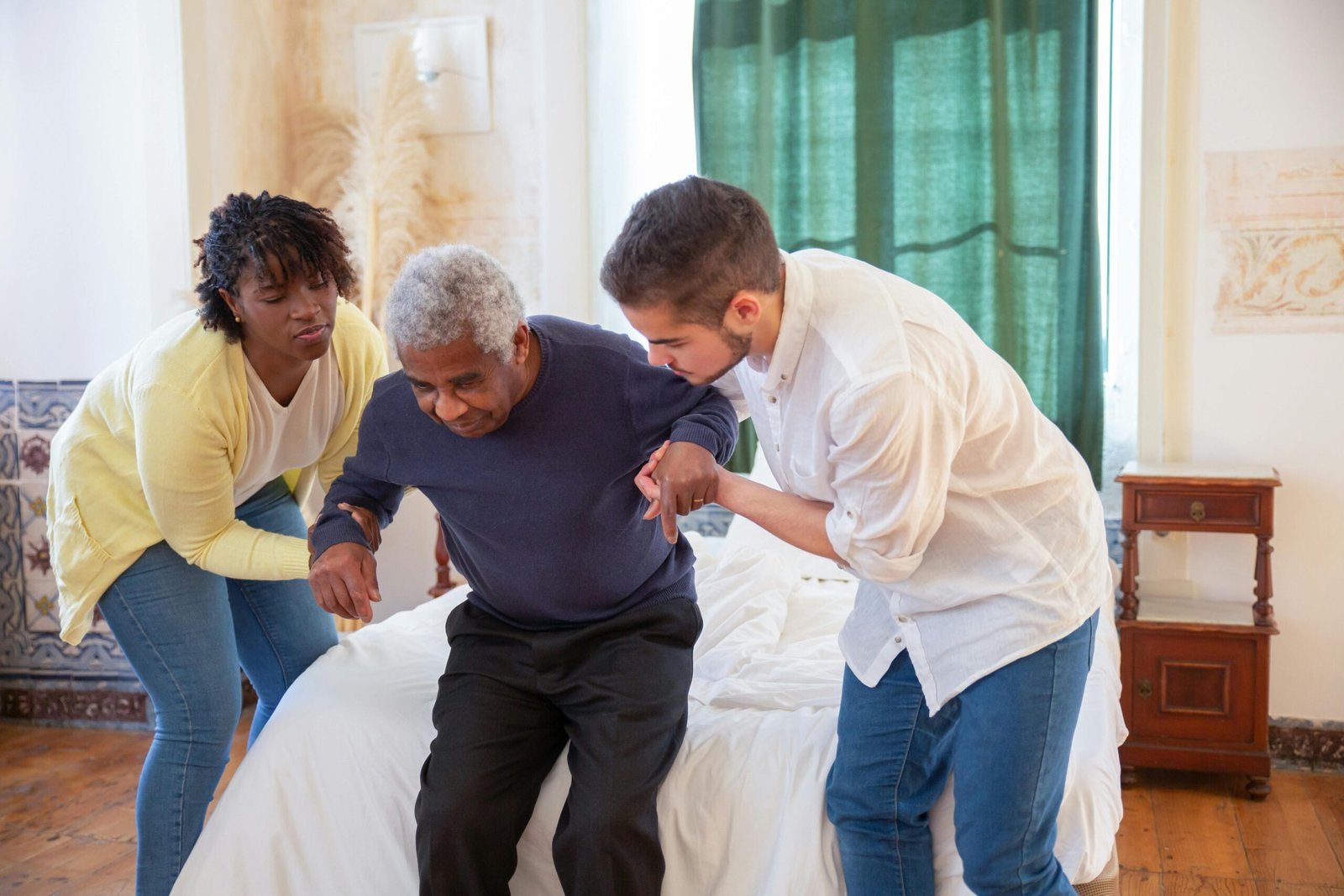

Observing a loved one age brings fresh uncertainties. The goal is to preserve their independence and comfort at home, yet spotting the right moment for additional support can prove challenging. It’s often not one big event, but a series of small changes that signal it’s time to step up their support.
The need for this care is growing across the country. According to Statista, about 17.7 percent of Americans were 65 or older in 2023. This represents a significant increase from 1950, when this demographic comprised merely eight percent. Projections indicate this figure will climb to approximately 23 percent by 2050.
As more families navigate these changes, knowing what to look for is key.
In this article, we’ll talk about the subtle signs that show it might be time to increase home care support to keep your loved one safe and happy.
Declining Personal Hygiene and Self-Care
Changes in hygiene are often the first sign that a loved one needs more help. If someone who was once well-groomed starts wearing stained clothes or neglecting bathing, it isn’t laziness. It usually signals that daily tasks have become physically difficult or confusing.
You might notice uncombed hair, body odor, or trouble with buttons and zippers. Professional senior care services can provide meaningful support in these situations.
A+ Home Care notes that these non-medical services, such as grooming and companionship, help seniors stay home and avoid moving to a facility. Assistance with bathing and dressing allows caregivers to help your family member maintain independence and self-respect safely. Addressing these small changes early ensures they stay comfortable while avoiding the risks associated with neglected self-care.
Changes in Mobility and Increased Fall Risk
When mobility starts to slip, it’s a major signal that a little extra help is needed. You might see your loved one shuffling their feet, “furniture surfing” to get across the room, or having a harder time standing up from the couch. These aren’t just small hiccups, but are signs that their risk of a dangerous fall is climbing.
The numbers are rather startling. More than one in four older adults falls every year. In 2023, over 41,000 seniors died from falls that could have been prevented, and millions more ended up in the emergency room. Over the last ten years, these tragic deaths have actually gone up by 53%.
A caregiver can help steady your loved one, clear out trip hazards, and lead simple exercises to keep them strong. Catching these mobility issues early helps them stay active and connected, rather than feeling stuck at home.
Cognitive Decline and Memory Problems
Memory slips are common as we age, but there is a clear line between normal aging and a serious problem. According to the Mayo Clinic, typical age-related memory loss, like forgetting a name and remembering it later, doesn’t disrupt your life. However, memory loss that interferes with daily functioning is often an early indicator of dementia.
Watch for these specific warning signs:
- Asking the same questions repeatedly.
- Mixing up common words (like saying “bed” instead of “table”).
- Taking much longer to finish familiar tasks, like a favorite recipe.
- Putting items in strange places, like a wallet in the fridge.
- Getting lost in familiar neighborhoods.
- Sudden, unexplained changes in mood or behavior.
Structured routines, medication support, safety monitoring, and supervision help protect loved ones while maintaining dignity, independence, and quality of life.
Social Isolation and Emotional Changes
It’s easy to focus on physical health, but a loved one’s emotional state is just as important. If they stop calling friends, drop their favorite hobbies, or seem unusually irritable, they might be struggling with isolation.
The data show this is a widespread issue. According to a 2023 JAMA Network poll, about 37% of older adults feel lonely, and 34% feel socially isolated. This often hits harder for those living alone or dealing with health conditions that limit their daily activities. Simple things we take for granted, like losing a partner or no longer being able to drive, can quickly lead to deep loneliness.
Caregivers fight isolation through conversation and shared activities while keeping a close eye on your loved one’s mood to catch any serious changes early.
Caregiver Burnout Among Family Members
Caregiver burnout is often the clearest sign that it’s time for professional help. Family members often take on more than they can handle, leading to exhaustion, sleep problems, and even physical illness.
A story from CNBC highlights how unpredictable this journey can be. Beth Pinsker, a financial expert, faced a grueling road when her mother’s “straightforward” spinal surgery led to a year of infections. This journey through various facilities continued until her mother passed away. Pinsker was already experienced, having cared for her father and grandparents, yet she found this final experience much harder than expected.
Admitting you can’t do everything yourself is a necessary step to protect your own health and your loved one’s safety.
Frequently Asked Questions
How do I convince a resistant loved one to accept more home care help?
Focus on specific benefits rather than deficits. Emphasize how help enables independence, safety, and continued home living rather than highlighting failures. Start with limited, trial assistance for specific tasks. Involve them in caregiver selection.
What’s the difference between needing more hours versus different types of care?
More hours means extending existing basic assistance (bathing, meals, housekeeping) throughout the day. Different care types involve specialized services like skilled nursing, physical therapy, dementia care, or medical support. Assess whether current services are adequate but insufficient in duration, or whether new capabilities are needed for changed conditions.
How quickly should I act when noticing these warning signs?
Act promptly for safety concerns like falls, severe cognitive confusion, dangerous living conditions, or acute health changes. For gradual declines, begin conversations and assessments within weeks. Don’t wait for crises. Planned transitions are less traumatic and allow better decision-making than emergency situations requiring immediate action.
Choosing to enhance home care support doesn’t signify surrender. Rather, it reflects a commitment to ensuring your loved one enjoys the highest quality of life possible. By watching for signs like declining hygiene, mobility struggles, or memory changes, you can step in before a crisis happens.
Professional support protects their independence while giving you the breathing room to focus on your relationship instead of just being a caregiver. Taking this step ensures your loved one stays safe, comfortable, and happy in the home they love for as long as possible.

