
While reading this, you’re probably thinking, “I move just fine around the house, why bother with exercise?”
And that’s a normal question. We’ve got another POV for you. Staying active isn’t about feeling good; it’s one of the most powerful tools for preventing falls. You have your independence for longer and can reach the top shelf or dance at family gatherings.
Falls are alarmingly common among older adults, and they can lead to injuries that change lives. Thankfully, light exercise and gentle movement drastically reduce the risk of falling.
Below, we’ll take you through why movement matters, what types help most, and how to make activity part of your daily life without stress.
The Aging Body: What Changes?
As we age, our muscles tend to weaken, and our balance isn’t what it once was.
These changes aren’t a “you’re getting old” cliché. They’re real, measurable shifts in how the body works. Medical News Today explains that regular physical activity helps maintain muscle mass and balance, which are key to preventing falls.
Think of your muscles like engine parts: if they aren’t used regularly, they become less responsive. It all comes down to staying coordinated and steady on your feet.
AmeriBest Home Care advises consulting home care experts to help tailor movement routines that work for you if you need support getting started or creating a safe plan. Some professional caregivers are trained in supportive patient care in this regard.
Light Doesn’t Mean Ineffective
Light exercise makes a difference. You don’t need to sweat for hours or lift heavy weights.
A study published in Research Protocols found that even low-intensity physical activity improved physical functioning in older adults. This includes balance and mobility, compared to being sedentary. That’s great news if intense workouts aren’t your thing.
How Light Exercise Helps Prevent Falls
Balance
One of the biggest contributors to falls is poor balance. When your brain and body aren’t in sync, simple tasks like stepping off a curb or reaching down to tie your shoes become riskier. But balance can be trained and improved in later years.
Light exercises that encourage weight-shifting, reaching, and mindful movement help your nervous system stay coordinated. These small improvements add up over time into greater stability and confidence.
Strength
Weak muscles mean stiff joints and unstable stepping; exactly the conditions that lead to falls. Light strength-building exercises help by strengthening key muscle groups in your legs, hips, and core.
These support your body in everyday activities without bulky gear. And strength isn’t physical but psychological. Feeling stronger boosts your confidence, allowing you to move more deliberately and safely.
Independence and Confidence
Speaking of confidence, we can’t ignore the mental side of staying active. When you trust your body, you move with assurance.
Staying active also comes with mental health perks that go beyond fall prevention. For example, The Brighter Side reports that moderate physical activity has been linked to reduced risk of cognitive decline and dementia. We can all agree that this benefit extends well beyond physical balance.
What Light Exercise Looks Like
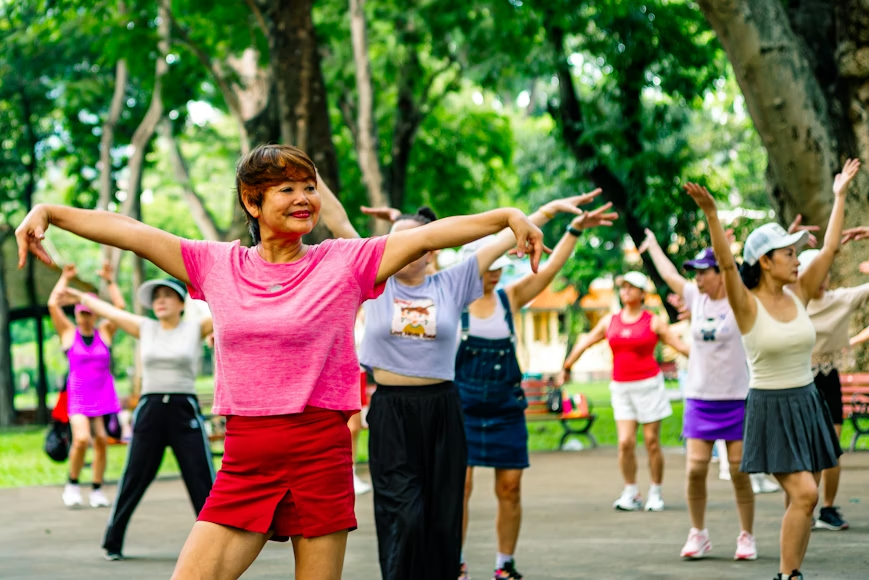
Everyday movement ideas you can try at home:
- Walking: Indoor laps around the house or a stroll outside.
- Marching in Place: Brisk steps while holding onto a chair.
- Seated Leg Lifts: Good for thighs and comfortable.
- Ankle Rolls and Foot Flexes: Tiny moves with big balance benefits.
- Weight Shifts: Shift your weight side to side while holding a chair for support.
These activities aren’t intensive or intimidating, and are more gentle and consistent. If your goal is safety and functional strength, simple wins.
Special Considerations: Health Conditions
You might be thinking: “What if I have special health needs?” Good question.
People with pacemakers or heart conditions might wonder what’s safe. Everyday Health explains that many light exercises like walking, stretching, and gentle balance work can be done with a pacemaker. Yet, it’s always important to check with your doctor first.
Easy Does It
Comfortable doing a bit more? Adding light resistance can help your strength and balance. Try bicep curls, standing heel raises, or side leg raises. Start light, do what feels good, and stop if anything hurts.
The bottom line is that movement matters at every age, and light activity can play a huge role in preventing falls for older adults. Starting is easier than you think: walk a few extra steps each day, do gentle leg lifts while watching TV, or try light dumbbell moves in your living room. Regular movement, and not perfection, is the secret sauce.
Here’s your challenge for the day: take a short walk, try a balance move, and celebrate the fact that every little step you take is a powerful step toward better living. You’ve got this!