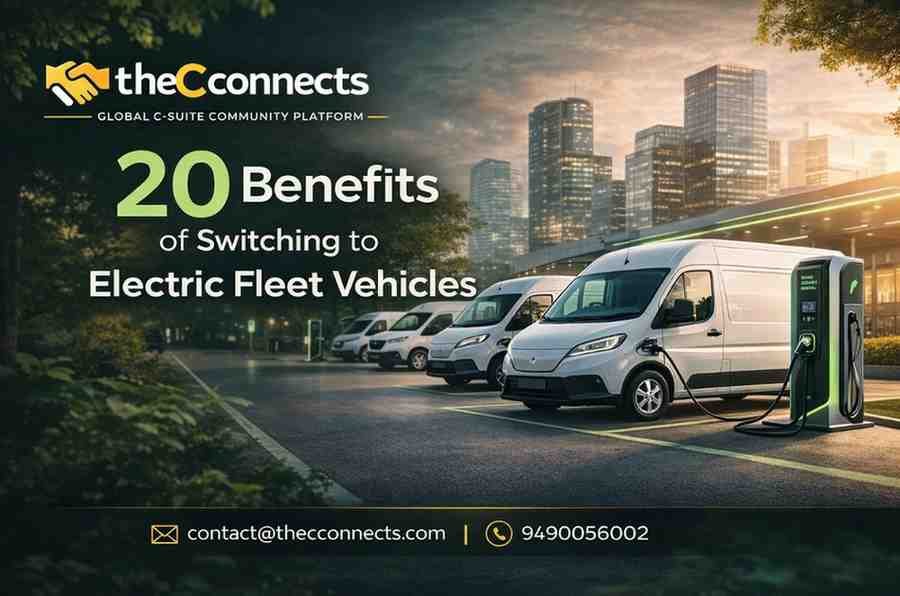

The Strategic Shift to Electric Fleet Vehicles in 2026
The logistics and transportation sectors are undergoing a monumental transformation. For decades, business fleets relied heavily on internal combustion engine (ICE) vehicles, accepting the volatile fuel costs, frequent maintenance downtime, and heavy carbon footprints as unavoidable costs of doing business. However, as we move through 2026, the narrative has fundamentally changed. Driven by rapid advancements in battery technology, stringent global emission regulations, and a corporate mandate for sustainability, electric vehicles for businesses are no longer just an eco-friendly alternative; they are a critical competitive advantage.
Transitioning to electric fleet vehicles is one of the most impactful decisions a logistics manager, business owner, or fleet operator can make today. While the initial procurement cost of commercial EVs was once a significant barrier, the math has aggressively shifted. Today, the Total Cost of Ownership (TCO) for electric fleets frequently undercuts traditional diesel or gasoline fleets within the first few years of operation. This shift is fueling a boom in green logistics, fundamentally altering how companies approach local deliveries, service calls, and regional transit.
Furthermore, consumer and corporate expectations have evolved. Clients actively seek partners who align with their Environmental, Social, and Governance (ESG) goals. A fleet of silent, zero-emission vehicles serves as a rolling billboard for your company’s commitment to sustainable transportation.
Whether you are an entrepreneur launching a modern delivery service or a corporate decision-maker overhauling an aging logistics network, understanding the multi-faceted advantages of electrification is essential. In this comprehensive guide for TheCconnects Magazine, we will explore the 20 most significant EV fleet benefits. We will break down exactly how making the switch improves operational efficiency, drastically reduces overhead costs, and future-proofs your business in an increasingly eco-conscious global market.
1. Massive Reduction in Fuel Costs
One of the most immediate and undeniable benefits of switching to an EV fleet is the dramatic reduction in fuel expenses. Charging a commercial electric vehicle overnight at a depot using off-peak commercial electricity rates costs a fraction of what it takes to fill a comparable diesel or gasoline tank. For fleets that cover thousands of miles monthly, this cost-per-mile differential translates into tens of thousands of dollars in savings per vehicle annually, fundamentally improving the company’s bottom line.
2. Substantially Lower Maintenance Expenses
Internal combustion engines are incredibly complex, relying on thousands of moving parts, constant lubrication, and explosive combustion to generate power. Electric vehicles, by contrast, possess incredibly simple drivetrains with vastly fewer moving parts. There are no oil changes, no spark plugs to replace, no exhaust systems to rust, and no transmission fluid to flush. This mechanical simplicity means EVs spend less time in the mechanic’s bay and cost significantly less to maintain over their lifespan.
3. Attractive Government Incentives and Tax Breaks
To accelerate the transition to sustainable transportation, federal, state, and local governments worldwide are offering massive financial incentives to businesses that adopt electric fleets. In 2026, these include direct purchasing grants, heavy tax credits per vehicle, and subsidized funding for installing depot charging infrastructure. Savvy fleet operators leverage these incentives to drastically offset the initial capital expenditure of procuring modern electric vans and trucks.
4. Protection Against Volatile Fuel Prices
Global oil markets are notoriously volatile, subject to sudden price spikes driven by geopolitical conflicts, supply chain disruptions, and refinery issues. This volatility makes financial forecasting and budget management a nightmare for logistics managers. Electricity prices, while subject to some fluctuation, are heavily regulated and vastly more stable. By switching to electric vehicles for businesses, you insulate your company from sudden fuel price shocks, allowing for highly accurate, predictable operational budgeting.
5. High Return on Investment (ROI) over the Vehicle Lifespan
While the upfront sticker price of an electric commercial vehicle can be higher than its ICE counterpart, businesses must evaluate procurement through the lens of Total Cost of Ownership (TCO). When factoring in the aggressive savings on fuel, reduced maintenance, and government tax incentives, the break-even point for an EV fleet is often reached within 24 to 36 months. Beyond that point, the vehicle generates a significantly higher ROI for the business throughout its remaining operational life.
6. Reduced Tolls and Congestion Charges
As major cities fight to improve urban air quality, many municipalities have implemented Zero-Emission Zones (ZEZs) or aggressive congestion pricing. Traditional diesel trucks entering these zones are hit with steep daily fees. Electric fleet vehicles are almost universally exempt from these emissions-based tolls. For delivery businesses operating in dense urban environments, bypassing these daily congestion charges results in massive cumulative financial savings.
7. Enhanced Vehicle Uptime and Reliability
Because electric vehicles require far less routine maintenance and suffer fewer mechanical breakdowns, their overall operational uptime is vastly superior to traditional vehicles. In the logistics industry, a truck sitting in the shop is a truck that isn’t making money. Electric fleets ensure that your assets remain on the road, fulfilling orders and serving clients, thereby maximizing your revenue-generating potential.
8. Advanced Telematics and Fleet Tracking
Modern commercial EVs are essentially highly advanced computers on wheels. They come factory-equipped with deep, integrated telematics systems. Fleet managers can access real-time data on battery health, exact energy consumption per mile, tire pressure, and driver behavior without needing to install clunky third-party diagnostic tools. This rich data allows decision-makers to optimize routes and continuously refine fleet efficiency.
9. Smoother Driving Experience and Reduced Driver Fatigue
Driver retention is a massive challenge in the logistics industry. Electric vehicles offer a vastly superior working environment for drivers. Without the constant vibration, engine heat, and deafening noise of a heavy diesel engine, drivers experience significantly less physical fatigue during a long shift. The smooth, seamless acceleration of an electric drivetrain makes navigating stop-and-go city traffic far less stressful, leading to happier, healthier, and more loyal employees.
10. Regenerative Braking for Urban Efficiency
Electric vehicles utilize regenerative braking, a system that captures the kinetic energy normally lost as heat during deceleration and feeds it back into the battery. For local delivery fleets that experience constant stop-and-go traffic, this feature is revolutionary. It actively extends the vehicle’s driving range throughout the day. Furthermore, it drastically reduces wear and tear on the physical brake pads, meaning EV brakes last exponentially longer than those on traditional vehicles.
11. Easier and More Precise Route Optimization
Because EV software is so deeply integrated into the vehicle’s powertrain, routing software can be incredibly precise. Modern fleet management tools can calculate a route not just based on distance, but by factoring in the vehicle’s current payload weight, the topography of the route (hills consume more battery), and live traffic conditions. This ensures drivers are dispatched on the most energy-efficient paths possible, completely eliminating range anxiety.
12. Overnight Depot Charging Convenience
With a traditional fleet, drivers waste valuable on-the-clock working hours detouring to gas stations, waiting in line, and fueling up heavy trucks. With an electric fleet, vehicles are plugged into smart chargers at the company depot overnight. When the drivers arrive for their shift the next morning, the vehicles are fully “fueled” and ready to dispatch instantly. This recaptures lost productivity and streamlines daily operational workflows.
13. Zero Tailpipe Emissions
The most direct environmental benefit of electric fleet vehicles is the absolute elimination of tailpipe emissions. ICE vehicles pump tons of carbon dioxide, nitrogen oxides, and fine particulate matter into the atmosphere daily. By switching to EVs, businesses immediately halt their direct contribution to localized air pollution, creating cleaner, healthier air for the communities in which they operate.
14. Achieving Corporate ESG Goals
Environmental, Social, and Governance (ESG) criteria are no longer just buzzwords; they are critical metrics scrutinized by investors, board members, and corporate partners. Transitioning your logistics network to electric power is one of the fastest and most measurable ways to slash your company’s Scope 1 carbon emissions. Hitting these aggressive sustainability targets makes your company highly attractive to green-focused investment capital and socially conscious stakeholders.
15. Drastic Reduction in Noise Pollution
Urban noise pollution is a significant health hazard, and heavy delivery trucks are a primary culprit. Electric vehicles operate in near silence. This allows businesses to conduct early-morning or late-night deliveries in dense residential neighborhoods without violating noise ordinances or disturbing the community. This expanded delivery window provides logistics managers with incredible flexibility to bypass peak daytime traffic hours.
16. Support for the Renewable Energy Transition
Electric fleets offer unique synergies with renewable energy infrastructure. Businesses that install solar panels on their warehouse roofs can essentially generate their own “fuel” to charge their fleets, driving operational costs down to near-zero. Furthermore, emerging Vehicle-to-Grid (V2G) technologies allow massive fleet batteries to store excess renewable energy and sell it back to the local power grid during peak demand hours, creating an entirely new revenue stream for the business.
17. Elevated Brand Image and Public Perception
Consumers in 2026 are highly educated and fiercely loyal to brands that demonstrate genuine environmental responsibility. A fleet of sleek, silent, electric delivery vans clearly branded with your company’s logo is a powerful marketing tool. It visually communicates to the public that your business is modern, innovative, and deeply committed to protecting the planet. This positive public perception directly influences consumer purchasing decisions and fosters deep brand loyalty.
18. Meeting Stricter Urban Emission Regulations
Governments are not just incentivizing EVs; they are actively penalizing and phasing out fossil-fuel vehicles. Major global cities are implementing strict timelines to ban internal combustion engine vehicles from their commercial centers entirely. By transitioning your fleet to electric power today, you ensure full compliance with all current and upcoming environmental regulations, guaranteeing that your business maintains unrestricted access to crucial urban markets.
19. Attracting Eco-Conscious B2B Clients and Partners
If your business operates in the B2B sector, going electric can directly win you massive corporate contracts. Large multinational corporations are under immense pressure to reduce their “Scope 3” emissions (the carbon footprint generated by their external vendors and supply chain partners). When these corporations issue Requests for Proposals (RFPs) for logistics or service partners, companies utilizing green logistics and electric fleet vehicles are heavily favored, often winning bids over legacy, diesel-reliant competitors.
20. Future-Proofing Your Business Operations
The era of the internal combustion engine is drawing to a close. Major automotive manufacturers are ceasing the research and development of diesel commercial engines, shifting their entire capital focus to electric and hydrogen platforms. Businesses that cling to legacy ICE fleets will soon face dwindling parts availability, skyrocketing maintenance costs, and plummeted resale values. Transitioning to electric fleet vehicles now ensures your business is ahead of the curve, operating on the technological foundation that will define the next century of global commerce.
Conclusion: The Future of Green Logistics
The transition to electric fleet vehicles is no longer a futuristic concept reserved for tech startups with massive venture capital backing; it is the practical, profitable reality of modern business in 2026. As the 20 EV fleet benefits outlined above demonstrate, the advantages of electrification extend far beyond simple environmental stewardship.
By abandoning volatile fossil fuels, businesses can lock in predictable energy costs, drastically reduce vehicle downtime, and provide a safer, more comfortable environment for their drivers. Furthermore, deploying electric vehicles for businesses aligns your brand with the forward-thinking values of modern consumers and corporate partners. Green logistics is the new standard of operational excellence. The choice for decision-makers is clear: embrace the electric revolution today to optimize your bottom line, or risk being outpaced by cleaner, faster, and highly efficient competitors tomorrow.
📞 Contact Us for More EV & Sustainability Insights
If you would like to stay updated with the latest electric vehicle and sustainability trends or, to share updated information about this particular article, or contribute and publish an article on this platform or any other platforms, please feel free to reach out to us:
📩 Email: contact@thecconnects.com
📞 Call: +91 91331 10730
💬 WhatsApp: https://wa.me/919133110730