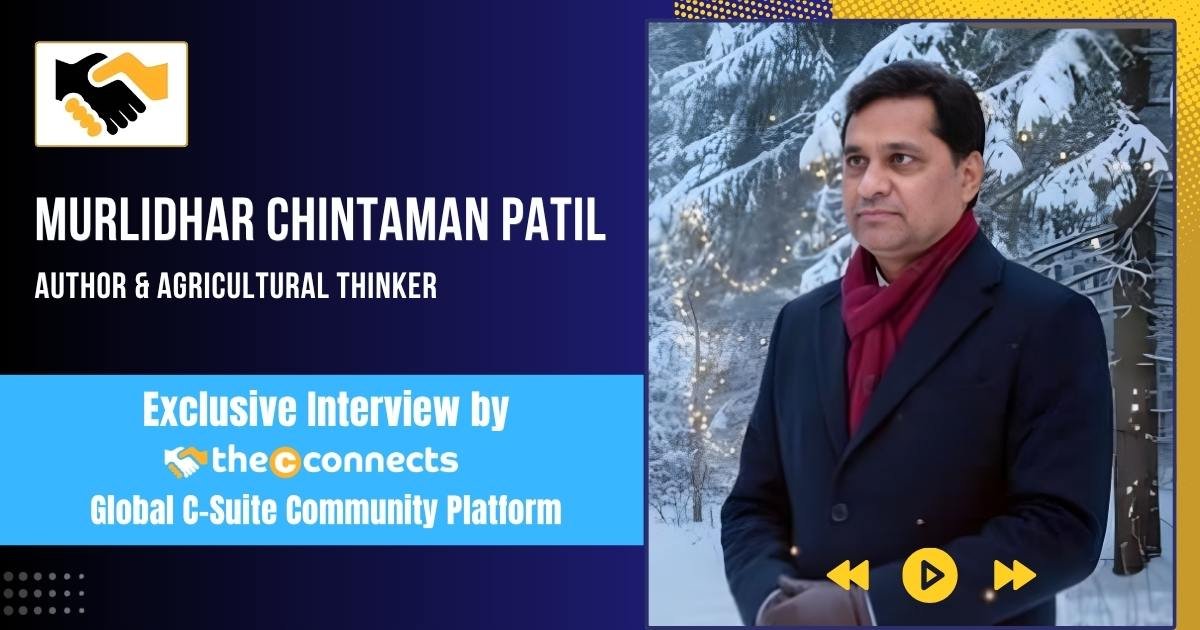

In the heart of Maharashtra’s Dhule district lies a village called Ghodasgaon. To a passerby, it might look like any other settlement, but to Murlidhar Chintaman Patil, it is a living library of human resilience. Murlidhar is not just a witness to history; he is its chronicler. From the manual digging of wells during the catastrophic 1972 drought to collaborating on international skill development programs with Oxford University mentors, his life bridges the gap between traditional heritage and global progress.
Recently, he released his magnum opus, “Agriculture and Cooperative Memories 1956– 2025,” a book that has caught the attention of ministers and IAS officers alike. In this deep dive with TheCconnects, Murlidhar shares the “Voice of Ghodasgaon,” discussing how a small village can inspire a global audience
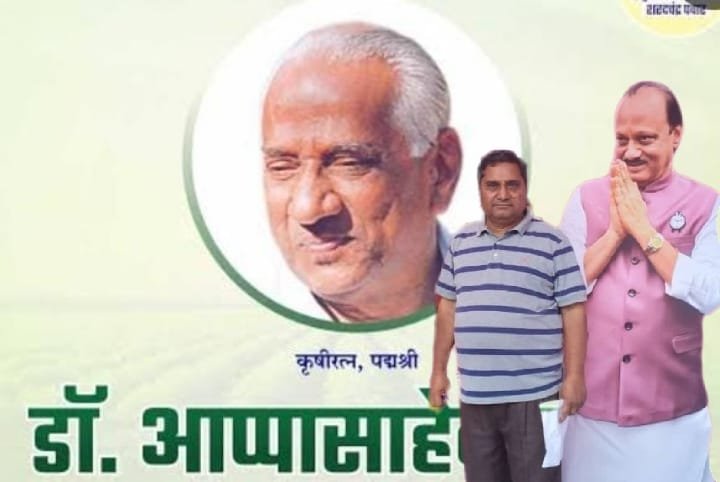
TheCconnects: Mr. Chintaman Patil, thank you for joining us. You’ve had a fascinating journey from the soil of Ghodasgaon to the international platforms of Oxford. How would you describe the evolution of a village boy into an author and a global agricultural thinker?
Murlidhar Chintaman Patil: It is a pleasure to be here. My journey is essentially a story of observation. Growing up in the coal belt of the Khandesh region, I didn’t just see crops grow; I saw the struggle for water. My professional life, which included a significant tenure with IFFCO (1995–2002) in marketing, allowed me to see agriculture through a commercial lens.
But the “author” in me was born much earlier, watching my father and village elders navigate the Green Revolution. I realized that unless someone documented these transitions-from bullockpowered irrigation to AI-integrated farming-the wisdom of our ancestors would be lost to the “digital noise” of the modern world. I became a writer to ensure that the “Ghodasgaon Spirit” travels from our village to the world.
TheCconnects: Every leader has a “crucible moment.” For you, it seems to be the severe drought of 1972. Can you tell us about the day your father decided to dig that 100-foot well?
Murlidhar Chintaman Patil: I remember it vividly. I was just a student then. The 1972 drought was devastating; the earth was parched, and the future looked bleak. My father, Chintaman Patil, proposed something that felt impossible: digging a well 100 feet deep when we had almost no financial backing.
We used ring slab technology, which was quite advanced for a small village at the time. When we finally struck water, we used the “Mot”-the traditional leather bucket system pulled by bullocks.
That well wasn’t just a source of water; it was a source of hope. It transformed our raindependent land into a perennial farm. Seeing that transition taught me that technology-whether it’s a leather bucket or a modern electric motor-is only as good as the determination behind it.
TheCconnects: You’ve often mentioned the influence of Late Prakash Aba. How did his visionary approach to farming shape your own agricultural philosophy?
Murlidhar Chintaman Patil: Prakash Aba was the “Steve Jobs of Ghodasgaon.” He was a forward-thinking farmer who respected tradition but wasn’t afraid to break it. He was among the first to realize that for a village to become “Sujalam Sufalam” (prosperous), we needed to move beyond subsistence farming. He influenced me to look at agriculture as a cooperative movement. He taught me that if you want to go fast, go alone; but if you want to go far, go together. That is why I focused my book on the “Cooperative Memories” of our village.
TheCconnects: One of the most moving parts of your book is the story of Shri Ishwar Unda More. In an era where social barriers were rigid, how did your family’s commitment to equality pave the way for his success?
Murlidhar Chintaman Patil: This is a story of humanity over hierarchy. Ishwar More belonged to the Harijan community. At that time, such social integration was rare. But my father insisted that Ishwar study alongside us. He didn’t just go to the same school; he stayed in our rented accommodation during college.
He eventually became a respected teacher and a lawyer. This taught me a key professional lesson: Potential has no caste. In any organization or community, true progress only happens when you provide equal floors and equal ceilings to everyone. Ghodasgaon’s success isn’t just about high-yield crops; it’s about high-yield social values.
TheCconnects: You’ve worked with Nicole Bird, an award-winning mentor from Oxford University. What was it like bringing “Village Wisdom” to an international skill development program?
Murlidhar Chintaman Patil: It was a humbling experience of cultural exchange. Under Nicole Bird’s guidance, I spent a year as a volunteer focusing on community skill development.
What I realized is that the problems of a farmer in Maharashtra and the challenges of a student in Oxford often share the same root: a need for Sustainable Innovation. The international community is very interested in how rural India managed the “Green Revolution” transition. They want to know how we moved from oil engines to 10-HP electric motors while maintaining social unity. My role was to act as a bridge-translating the grit of Ghodasgaon into a language the world could understand.
TheCconnects: Your book, “Agriculture and Cooperative Memories 1956–2025,” covers nearly seven decades. What do you see as the biggest challenge for “Digital India” brands trying to penetrate the rural agricultural space today?
Murlidhar Chintaman Patil: The biggest challenge is “The Trust Deficit.” In the digital space, brands often treat farmers as a “market segment” rather than “partners.”
In my book, I talk about the 1956–2025 journey to show that farmers trust history and relationships. A brand can have a fancy app, but if it doesn’t solve the ground-level “pain point” of the farmer-like erratic electricity or market access-it will fail. My solution is simple: High-Tech must be accompanied by High-Touch. You need to be on the ground, at the Baramati KVK or the village square, to truly understand the user experience.
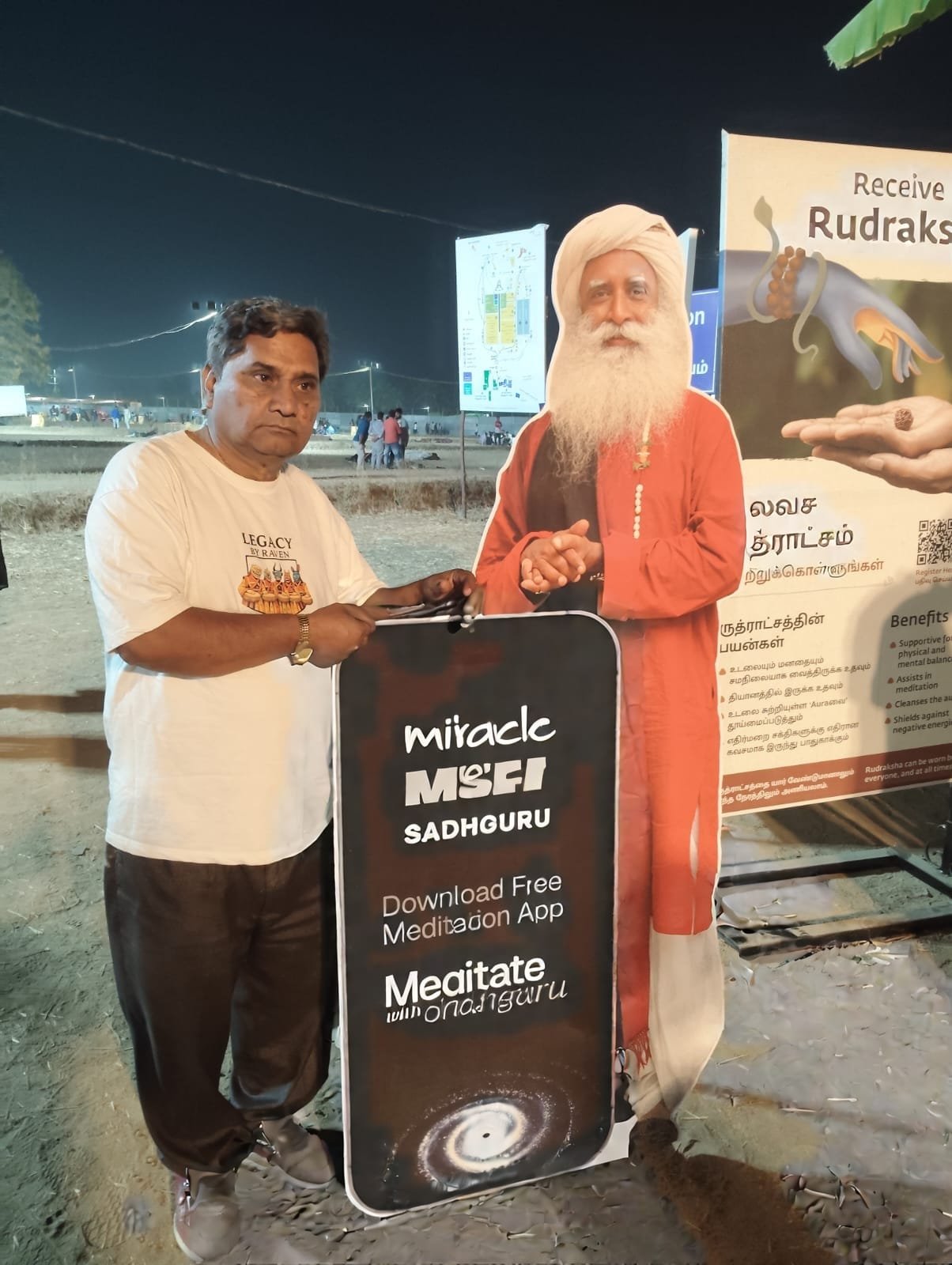
TheCconnects: You recently participated in the Mahashivratri event at the Isha Foundation with Sadhguru. How does spirituality or “fasting for a cause” translate into your work as a social developer?
Murlidhar Chintaman Patil: Fasting is about discipline and internal focus. Participating in the Isha Foundation event was a turning point. In agriculture, we are at the mercy of nature. If you don’t have a spiritual anchor, the volatility of farming can break you.
Spirituality gives you the “Mindset of a Champion.” It helps you stay calm during a drought and humble during a harvest. When I fast or meditate, I am practicing the same patience that a farmer needs while waiting for the seeds to sprout. It’s all connected.
TheCconnects: You’ve presented your book to everyone from Lady Bouncers in Pune to IAS officers and Zonal Heads at Kotak Life. Why is it important for the “corporate world” to read about Ghodasgaon?
Murlidhar Chintaman Patil: Because the corporate world is looking for “Sustainable Growth Models.” Ghodasgaon is a 70-year-old case study in sustainability. Whether it was the transition from “Mot” to electric motors or the production of agriculture graduates like Bipin Bhoma Patil and Panalal Hiramana Patil, the village shows how to scale a community without losing its soul. Corporate leaders need to understand that the “Last Mile” is not just a delivery destination; it’s where the most resilient innovations are born.
TheCconnects: What do you do in your free time to “unplug” from your busy schedule of writing and community work?
Murlidhar Chintaman Patil: I return to the soil. I spend time at the Sharda Nagar Baramati KVK (Krishi Vigyan Kendra).995-2002 ,, I have been part of farmer integration programs there. For , “unplugging” isn’t about moving away from work; it’s about moving closer to the farmers. There is something incredibly rejuvenating about sharing a meal with a multi-state farmer group and discussing new irrigation techniques. That is my true vacation.
TheCconnects: Finally, what is your advice for the “Agri-preneurs” and young entrepreneurs of 2026?
Murlidhar Chintaman Patil: Don’t just build an app; build an ecosystem. > “Agriculture is the only business where you start with a seed and end with a world.”
My advice is to read the history of the cooperative movement. Understand the 1956–2025 trajectory. If you want to innovate for 2026, you must understand the struggles of 1972. Be patient, be inclusive, and never forget that the most important “asset” in agriculture is not the land, but the people who till it.I am now’ Advisor Kotak Life my request farmers in earlier 2000 We worked in IFFCO for Our own farmers Organisation insurance in which We rimote area rural society development collect insurance of crop Storage godown Agriculture industries and now a days farmers families education health and safety depend on insurance policy IRDA giving security of Our invested fund’s and we get Life insurance as well as retired benefit to privet Job holders. I am writer and published book in agriculture and Social activists My Article published in international magazine also and reach benefits of agriculture latest technical know how and marketing knowledge by various books hopes for seeds and Reyes .in 70Year’s till works in consultancy advisory services no profit no loss basis it’s my success of My Life.