
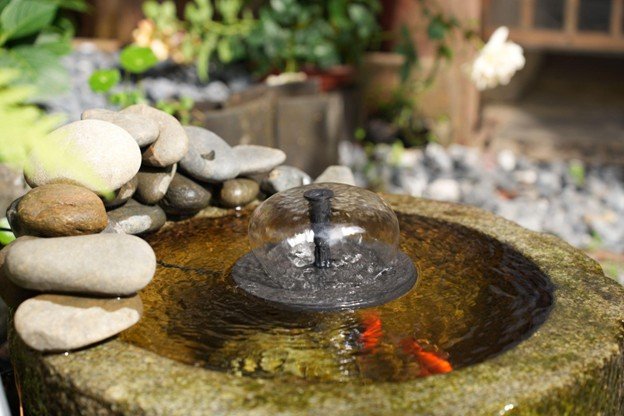

Water has a timeless ability to soothe, to draw our attention, and to transform ordinary spaces into places of calm and beauty. Whether it’s the gentle trickle in a backyard garden fountain or the dramatic cascade in a public plaza, moving water captures our senses. At the center of these water features is an often overlooked but essential component: the fountain pump. Understanding how fountain pumps work, why they matter, and how they shape our environments can help anyone who cares about design, nature, and the way people interact with spaces.
What Is a Fountain Pump?
A fountain pump is the mechanical heart of a water feature. Its job is simple in concept but critical in function: it moves water from one place to another. In a fountain, the pump pulls water from a basin or reservoir, pushes it through tubing or channels, and releases it at a desired point to create a flow, jet, or cascade. The visual and auditory appeal of a fountain is largely controlled by how and where the fountain pump circulates water.
Though the basic purpose of a pump is straightforward, fountain pumps themselves vary widely. There are submersible forms that sit quietly below the water’s surface and external units that sit outside of the reservoir. Their power, capacity, and design will influence water movement, flow patterns, and even the overall look of a water feature.
Why Fountain Pumps Are Important
At first glance, a fountain pump might seem like a mundane piece of equipment. But it plays a much larger role than simply moving water. These devices sustain life in aquatic environments, shape human experience, and contribute to maintenance and water quality.
Creating Movement and Sound
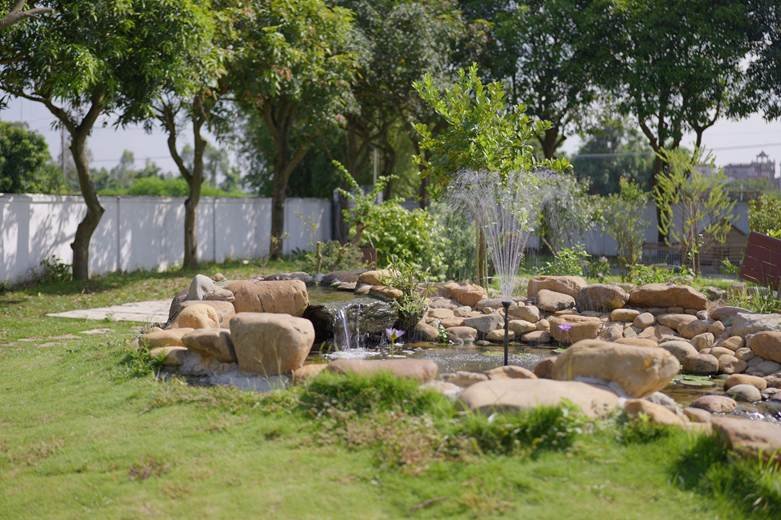
One of the most obvious but often underappreciated aspects of a fountain pump is its ability to animate water. Still water in a bowl or pond can be restful, but moving water has an energy of its own. A fountain pump introduces motion that catches the eye, creates rhythmic sound, and invites people to linger. That whispering sound of flowing water can mask urban noise, create privacy, or simply add a natural element to an outdoor space.
Movement is not just aesthetic. It helps prevent stagnation, which in turn reduces algae growth and keeps water fresher. Without circulation, water in features can quickly become a breeding ground for unwanted organisms. A fountain pump keeps water turning over so it stays healthier and more enjoyable.
Supporting Ecosystems
In larger water features like backyard ponds, a fountain pump does more than entertain—it sustains life. Many garden ponds house plants and fish that depend on oxygenated water. The flow created by a fountain pump helps oxygenate the water, supporting beneficial bacteria and aquatic life. When water sits still, oxygen levels drop and fish can suffer. A pump can help balance the ecosystem so both flora and fauna thrive.
Enhancing Design and Ambience
Designers and landscape artists use fountain pumps creatively to shape the look and feel of outdoor spaces. Varying the height and pattern of water jets, for example, can produce soft mists or vertical spouts. Different nozzle attachments can transform the same fountain pump into numerous visual effects—gentle curtains of water, dramatic sprays, or complex multi-stream displays.
For gardens, courtyards, and public spaces alike, water features add a sensory layer that draws people in. The presence of running water invites touch, reflection, and a sense of calm. Many parks, plazas, and residential landscapes use fountain pumps to create focal points around which the rest of the design revolves.
Choosing the Right Fountain Pump
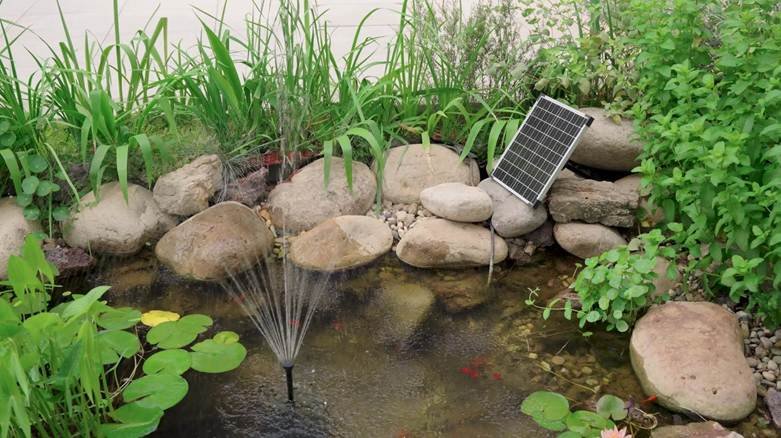
Selecting the right fountain pump starts with understanding your specific water feature. Several factors influence this choice: the volume of water to be moved, the height of the desired water jet, and the location of the pump relative to the water source.
A fountain pump must be properly rated for flow rate—the amount of water it moves within a given time. Too little flow and your fountain will look limp; too much and it may overwhelm the design or cause splashing beyond the intended area. Similarly, the pump’s head height—the maximum height it can push water—is essential for achieving the desired visual effect.
Energy efficiency is another consideration. Pumps that are overpowered for their application waste electricity. In contrast, a well-matched fountain pump operates smoothly, quietly, and cost-effectively. Some modern designs even integrate energy-saving technologies that respond to changing water levels or run more efficiently at partial loads.
Installation and Care
Proper installation helps ensure that a fountain pump performs reliably over time. Submersible pumps are typically placed in a stable, protected spot within the fountain basin. They must be fully submerged to operate correctly and avoid damage. External pumps require careful placement near the water feature with appropriate plumbing connections.
Maintenance is not onerous, but it is necessary. Debris such as leaves, sediment, and small particles can clog pumps, reducing performance or leading to premature wear. Regular cleaning of filters and intake screens helps maintain a steady flow. In colder climates, winterizing the fountain and its pump—either by draining the feature or using freeze-protection kits—extends the life of the equipment.
The Broader Impact of Fountain Pumps
On the surface, a fountain pump might seem like a purely functional device. But its impact stretches further. By enabling water movement, fountain pumps help shape environments that encourage relaxation, community interaction, and appreciation of nature. They sustain ecosystems, enhance aesthetics, and can even influence microclimates in outdoor spaces.
From tranquil backyard installations to bustling public squares, the subtle hum of a fountain pump reminds us of our connection to water as a source of comfort, beauty, and life. Understanding this humble device not just as a mechanical tool but as a contributor to the human experience allows us to appreciate the role it plays in the spaces we design, inhabit, and enjoy.
In the end, fountain pumps are more than machines; they are instruments that bring fluid motion to still spaces and transform ordinary settings into places that feel alive.


