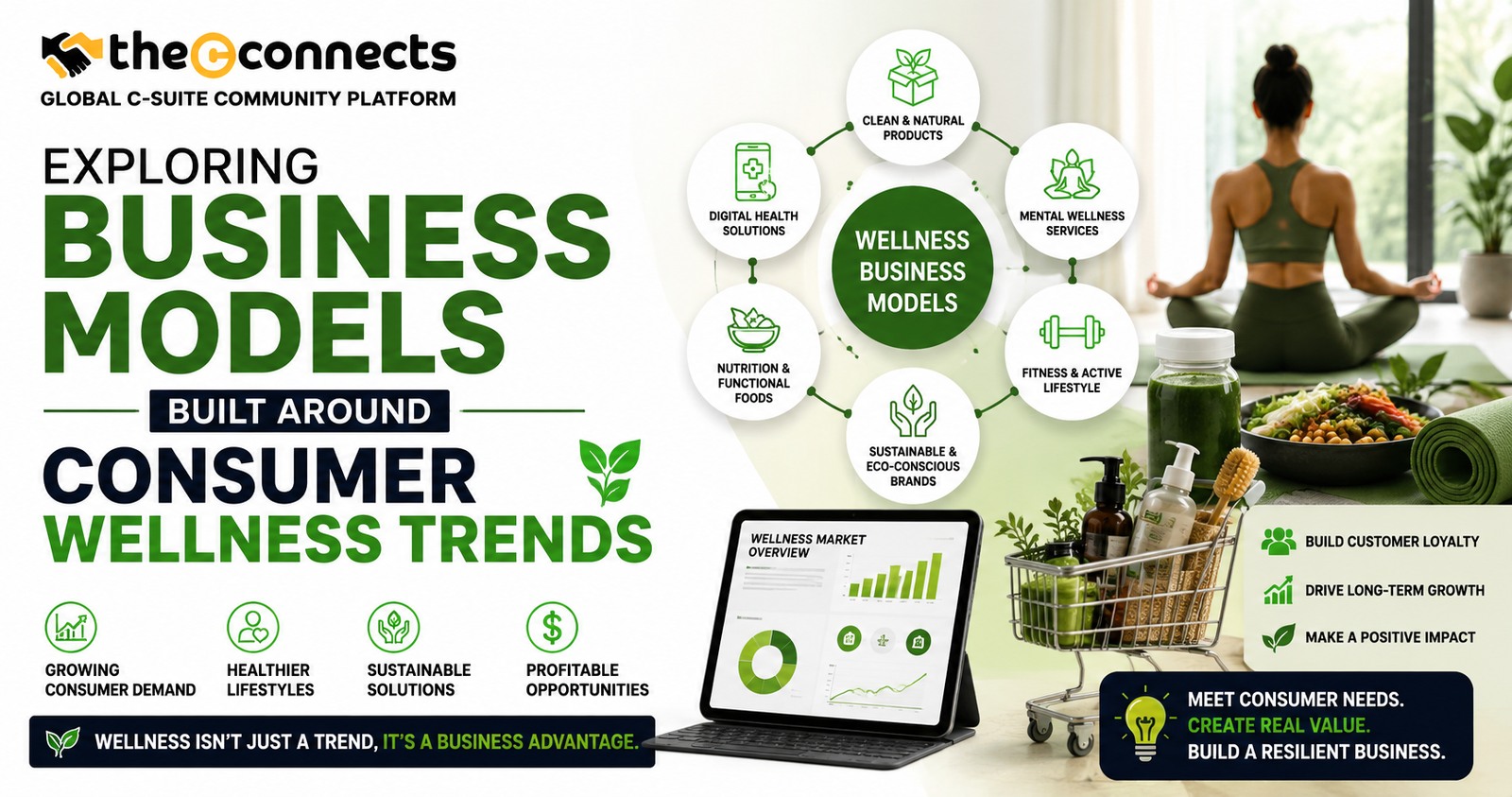

Consumer wellness has become one of the most influential forces shaping modern markets. People are increasingly focused on improving their physical health, mental well-being, appearance, and overall quality of life. As a result, businesses across multiple industries have adapted their offerings to meet evolving consumer expectations. From fitness and nutrition to beauty and self-care, wellness-driven business models continue to create opportunities for entrepreneurs and established brands alike.
The Growing Demand for Wellness-Focused Services
Modern consumers are no longer viewing wellness as a luxury. Instead, it has become an essential part of everyday life. Individuals are investing in products and services that help them feel healthier, more confident, and more balanced.
This shift has created strong demand for businesses that offer convenience, personalization, and measurable results. Companies that understand consumer wellness priorities are finding new ways to deliver value through innovative services, memberships, and customer experiences. As awareness of health and self-care continues to grow, businesses that align with these priorities are often able to build lasting customer relationships.
Subscription-Based Wellness Models
One of the most successful business models built around wellness trends is the subscription model. Consumers appreciate predictable access to services and products that support their ongoing goals.
Fitness apps, meal planning services, vitamin programs, and wellness coaching platforms frequently use recurring memberships. These models provide businesses with stable revenue while giving customers consistent support and motivation.
Subscription services also allow companies to collect valuable insights about customer preferences. By understanding user habits and goals, businesses can personalize offerings and improve retention rates over time.
Personalization as a Competitive Advantage
Consumers increasingly expect solutions tailored to their unique needs. Personalized wellness experiences have become a major differentiator across industries.
Businesses are using consultations, assessments, technology, and customer feedback to customize services. Whether it’s a fitness program designed around individual goals or a skincare treatment plan developed for specific concerns, personalization helps create stronger customer satisfaction.
This approach also increases customer loyalty because individuals feel that the business understands their needs. As wellness becomes more personal, businesses that offer customized experiences are often better positioned to stand out in crowded markets.
Franchise Opportunities in the Wellness Industry
The popularity of wellness-focused services has also fueled the growth of franchise models. Entrepreneurs are attracted to wellness franchises because they offer established systems, brand recognition, and proven operational processes.
For example, opportunities such as the dermani MEDSPA® franchise demonstrate how wellness-oriented businesses can scale effectively through franchising. By combining consumer demand with a structured business framework, franchise models enable owners to enter growing markets with the support of an established brand.
As consumers continue seeking professional services that help them look and feel their best, franchise businesses within the wellness sector are likely to remain attractive investment opportunities.
Technology-Driven Wellness Solutions
Technology has transformed how wellness businesses operate and interact with customers. Mobile applications, wearable devices, virtual consultations, and online communities have made wellness services more accessible than ever.
Businesses can now engage with customers beyond traditional physical locations. Fitness instructors can offer virtual classes, wellness coaches can conduct online sessions, and healthcare professionals can provide remote consultations.
Technology also creates opportunities for data-driven decision-making. Businesses can track engagement, monitor customer progress, and identify trends that help improve service delivery. This combination of convenience and personalization continues to drive growth across wellness-focused industries.
Building Community Around Wellness
Many successful wellness brands recognize that consumers are looking for more than products or services. They want a sense of connection and belonging.
Community-focused business models encourage engagement through events, social groups, challenges, and online forums. These experiences help customers stay motivated while creating emotional connections with the brand.
Strong communities often lead to higher customer retention because individuals feel supported in their wellness journeys. Businesses that foster meaningful relationships among their customers can create powerful competitive advantages that extend beyond the core service offering.
The Future of Wellness Business Models
Consumer wellness trends show no signs of slowing down. As people continue prioritizing health, self-care, and personal development, businesses will have opportunities to create innovative solutions that address changing needs.
The most successful wellness-focused business models will likely combine personalization, technology, convenience, and community. Companies that adapt to evolving consumer expectations while delivering genuine value will be well-positioned for long-term growth. As wellness becomes increasingly integrated into everyday life, businesses built around supporting healthier and happier lifestyles are expected to remain an important part of the modern economy.