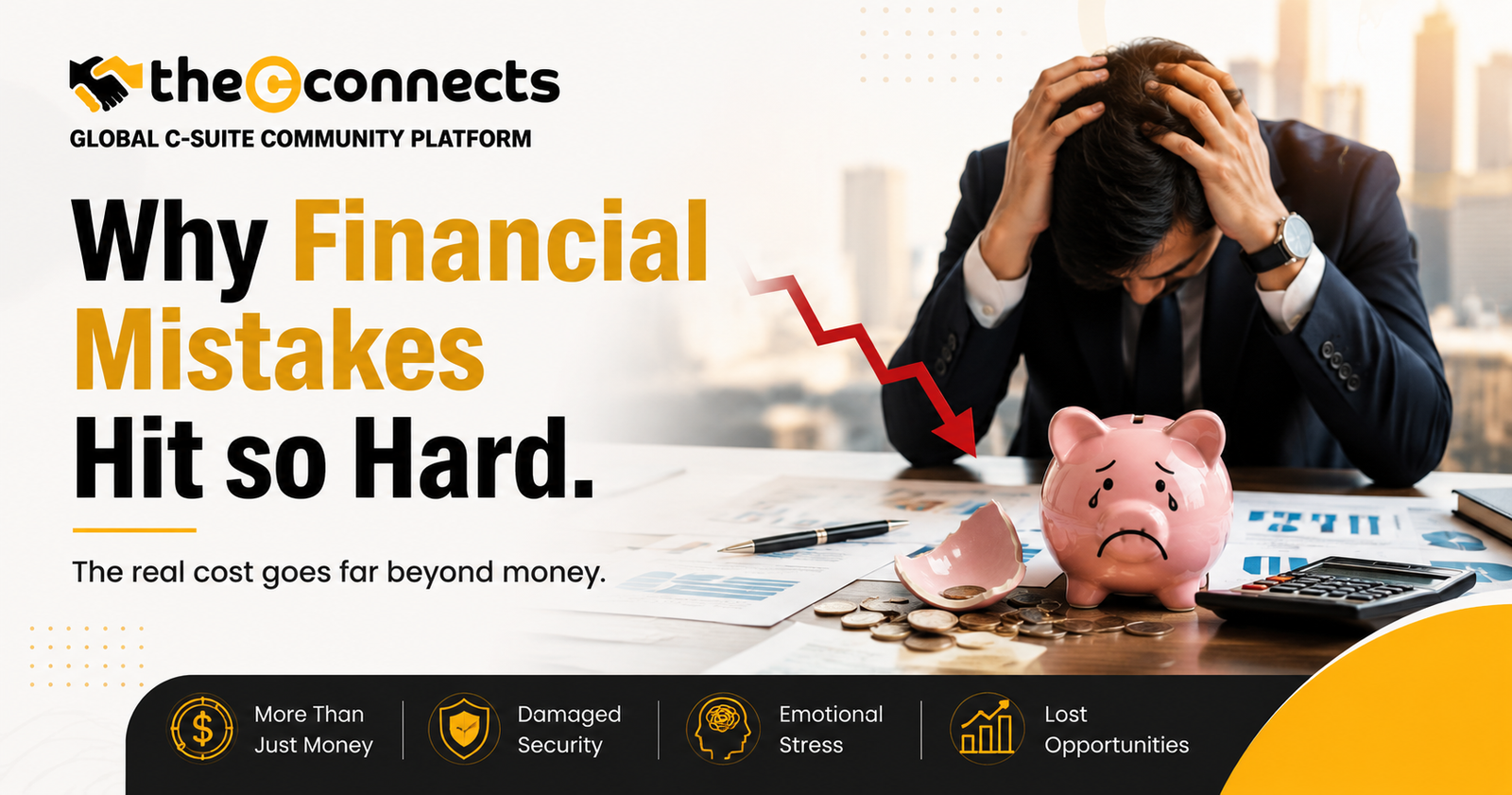

Money mistakes rarely feel like simple mistakes. They feel personal. A missed payment can produce the kind of sinking feeling that has nothing to do with math and everything to do with identity, safety, and control. That is part of what makes financial setbacks so uniquely painful. Most of us are not reacting only to the dollars lost. We are reacting to what those dollars seem to say about our future, our competence, and our ability to protect ourselves and the people we care about.
That is why a financial decision can spiral emotionally faster than almost any other everyday problem. A person can calmly compare grocery prices, research insurance, or look up how does a home equity loan work, and still feel a jolt of panic the moment a bill is higher than expected. The reaction is often out of proportion to the immediate event because the brain is not reading the situation as a spreadsheet. It is reading it as a threat.
Money Feels Like Shelter, Not Just Currency
At a basic level, money represents access. It buys food, housing, transportation, health care, and time. When you make a financial mistake, even a relatively ordinary one, your nervous system may treat it as a crack in the wall between you and instability. That is why people can feel embarrassed, restless, or physically tense after something as common as overdrafting an account or realizing they took on too much debt.
Stress is not just mental chatter. It affects the body too. Long term stress can raise heart rate and blood pressure, disrupt sleep, and contribute to inflammation and chronic health problems, according to the Cleveland Clinic. When money stress sticks around, it does not stay neatly contained in your banking app. It follows you into your workday, your relationships, and your ability to think clearly. Chronic stress can affect both mental and physical health.
The Brain Hears “Danger” Before It Hears “Details”
One reason money mistakes hit so hard is that the emotional alarm often sounds before rational thinking gets a turn. In stressful conditions, people tend to rely less on careful analysis and more on fast, intuitive reactions. Research on stress and decision making has linked stress with shifts toward more automatic thinking and, in some situations, more disadvantageous choices. That matters because once a financial mistake happens, the same stress it creates can make the recovery process harder.
This helps explain a frustrating cycle. You make a money mistake. You panic. That panic narrows your thinking. Then you become more likely to avoid the problem, rush into a fix, or make another decision from fear instead of clarity. It is not a character flaw. It is a human response to perceived danger. The brain is trying to get you to safety quickly, but speed is not always useful in personal finance.
Shame Is Often the Real Bruise
The harshest part of a money mistake is often not the late fee or the bad investment. It is the story people attach to it. We tend to turn financial outcomes into moral verdicts. Saving means discipline. Debt means failure. Wealth means competence. Struggling means irresponsibility. Those ideas are powerful, and they make even ordinary setbacks feel like proof that something is wrong with us.
That shame can become heavier than the actual numbers. A person may recover from a few thousand dollars lost more quickly on paper than emotionally. They might replay the decision for months, not because the loss is still changing their budget, but because it wounded their self image. Financial pain often lingers because it strikes at pride and independence. It can make adults feel suddenly small, exposed, or dependent in ways they deeply resist.
Financial Pain Is Also Social Pain
Money is woven into social life more than people admit. It affects where you live, how you spend time with friends, whether you can travel, what opportunities your kids get, and how easily you can say yes to life. So when money goes wrong, the fear is rarely just “I lost money.” It is also “Will I fall behind?” “Will other people notice?” “Will I have fewer choices now?”
That fear of shrinking options is real. Financial stress has also been associated with depression in adults across multiple studies reviewed in a recent summary from Psych Central. While that kind of overview is not the final word on every individual case, it reflects something many people already know from experience. Money problems can make life feel smaller. Financial stress has been linked with mental health strain, including depression.
Why Small Mistakes Can Feel Huge
Sometimes the most intense reactions come from mistakes that are not catastrophic. A forgotten subscription. A credit card balance that got away from you. A purchase made to relieve stress that creates more stress later. These moments hurt because they reveal how thin the margin can feel. If you already feel stretched, even a small leak in the system can feel like proof that the whole structure is fragile.
This is also why personal finance advice can feel strangely cold. “Just budget better” does not land well when someone is in a threat response. People do not need only information in those moments. They need steadiness. They need a way to calm the system enough to think again. Good financial recovery often starts with reducing the emotional intensity around the mistake so the practical next step becomes visible.
Recovery Works Better When It Starts With Regulation
When people are flooded with money anxiety, they often assume the answer is immediate action at any cost. But the better first move is often to slow down enough to separate the event from the identity crisis. A mistake happened. That does not mean you are reckless, doomed, or bad with money forever.
From there, practical steps become much more effective. Name the problem clearly. Calculate the actual damage. Contact the lender, provider, or bank if needed. Make one contained plan instead of five panicked ones. Ask what protects your stability first, not what restores your pride fastest. Those are not the same thing.
That mindset matters because financial repair is rarely dramatic. It is usually quiet and repetitive. A fee gets negotiated. Spending gets trimmed. A payment plan gets set. A habit gets changed. Shame wants a grand emotional resolution, but money usually improves through ordinary, boring consistency.
The Real Reason It Hurts So Much
Financial mistakes hit hard because money is tied to survival in a way few other modern problems are. It is not just a tool. It is a stand in for safety, freedom, dignity, and future possibility. So when something goes wrong financially, the pain can feel deeper than the numbers justify.
But that depth of feeling does not mean the situation is hopeless. It means you are human. The same brain that sounds the alarm can also learn that one mistake is not the end of safety. Once that shift happens, financial recovery stops feeling like punishment and starts feeling like rebuilding. And rebuilding, while slow, is a lot more powerful than panic.