
What a Credit File Actually Does Behind the Scenes
Most people hear the phrase credit file and think of a score. A number pops into mind, maybe with some anxiety attached to it, and that is the end of the story. But a credit file is not the score itself. It is the raw material. It is the background record that helps lenders, landlords, insurers, and sometimes employers form an opinion about how you handle borrowed money. In that sense, your credit file works less like a grade and more like a reputation archive.
That is why understanding it matters even if you are not planning to apply for a loan tomorrow. If you are exploring ways to stabilize your finances, researching options like Debt Relief in Texas, or simply trying to clean up old financial habits, your credit file gives you a clearer picture of what outsiders may be seeing when they evaluate you.
Think of It as a Financial Biography, Not a Snapshot
A credit file is often described as a report of your borrowing and repayment history, which is true. But that definition can feel flat. A better way to understand it is as a running biography of how you have used credit over time.
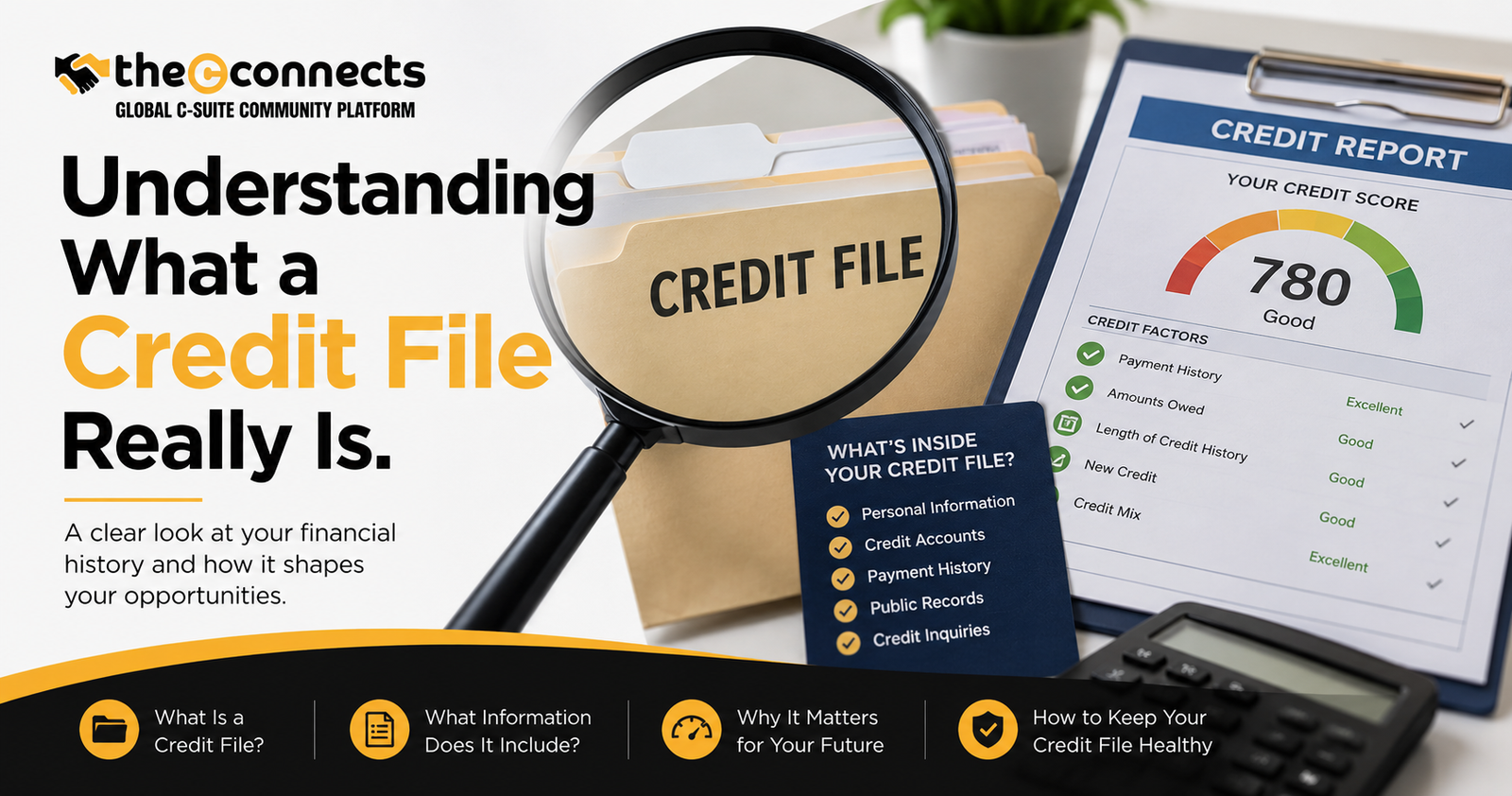
It usually includes identifying details such as your name, addresses, and sometimes employers. It also lists open and closed credit accounts, balances, payment history, and certain public record or collection related information that may affect your profile. According to the Consumer Financial Protection Bureau, reviewing your report means checking for identity errors, inaccurate balances, duplicate debts, and accounts that do not belong to you, because those mistakes can shape how your file is interpreted by others. Common credit report errors to watch for
That biography angle matters because lenders are not just asking, “What do you owe today?” They are also asking, “How have you behaved over time?” Someone with a modest balance and a long record of on time payments may look steadier than someone with little debt but a short or inconsistent history. Your file helps tell that longer story.
Why Your Credit File Can Matter More Than Your Score in Real Life
Credit scores get the spotlight because they are easy to summarize. A score is quick, simple, and convenient. But the score is built from information inside the credit file, and many decision makers go beyond the number.
A lender might notice late payments clustered during one rough year, followed by steady improvement. A landlord may focus on collections or unpaid accounts. A manual underwriter might look at how recently accounts were opened, whether balances are rising, or whether a settled debt is still being reported incorrectly. In other words, the file provides context.
This is one reason two people with similar scores can have very different borrowing experiences. The file underneath the score may show different patterns, risks, and explanations. One profile may suggest a temporary setback. Another may suggest chronic overextension. The score compresses information. The file reveals texture.
Your Credit File Is Also a Recordkeeping System, and Recordkeeping Systems Make Mistakes
One of the most overlooked truths about credit files is that they are not magical truth machines. They are built from data sent by creditors and collected by reporting companies. That means the file can contain errors, outdated details, or information mixed in from someone with a similar name.
This is where a lot of people get blindsided. They assume the file is accurate because it looks official. But official systems can still be wrong. The CFPB advises consumers to check reports at least once a year and pay close attention to unfamiliar accounts, misspelled names, and collection entries that were not updated properly after a debt was resolved. It also notes that your credit reports, not just your score, can affect the terms you receive and even influence some employment decisions. When to review your credit report and why it matters
That makes your credit file something you should audit, not just accept.
What Lenders May Read Between the Lines
A credit file does not literally explain your life, but it can hint at patterns. Frequent missed payments may signal instability. High revolving balances may suggest financial pressure. Several new accounts opened in a short time can look like urgency or risk. Older accounts with positive history can suggest consistency.
This is where the human side of credit becomes important. A file can reflect a divorce, medical hardship, job loss, or a period of disorganization, but it usually does not label those experiences in plain language. It simply records the financial traces they left behind. That is why people often feel misunderstood by their credit reports. The file captures outcomes, not explanations.
Still, that does not make it useless or unfair by default. It just means you should know what story your file is telling so you can respond strategically. If the story is inaccurate, dispute it. If it is accurate but outdated in spirit, focus on building newer, stronger history that gradually outweighs the older damage.
What You Should Look For When You Review It
When you pull your credit report, do not just scan for a score and move on. Read it like you are editing a document about yourself.
Check the personal information first. Make sure your name, addresses, and other identifying details are correct. Then review each account line by line. Look for incorrect balances, accounts marked open that should be closed, duplicate listings, late payments reported in error, or accounts that are not yours. If you do find a mistake, the CFPB says you generally should dispute it with both the credit reporting company and the company that furnished the information.
Also pay attention to age and pattern. Are you carrying high balances on revolving accounts? Are there old collection accounts still showing? Are there signs that one unresolved issue is dragging down an otherwise solid record? Those details matter because improvement often starts with knowing which part of the file is creating the most friction.
A Better Relationship With Credit Starts With Reading the Record Honestly
For many people, the biggest shift is not technical. It is emotional. A credit file can feel like a judgment, but it is more useful to treat it as feedback. It is a record of behavior and reporting, not a statement of your worth.
That mindset helps because it turns shame into action. Instead of avoiding the file, you start asking better questions. What is accurate here? What is outdated? What can be corrected? What habits need to change so this record looks different a year from now?
Once you understand your credit file this way, it becomes less mysterious. It is simply the document that translates your credit behavior into a form the financial world can read. And if that document influences opportunity, then reading it carefully is not obsessive. It is practical. It is one of the clearest ways to understand where you stand today, and what steps might help you look stronger tomorrow.