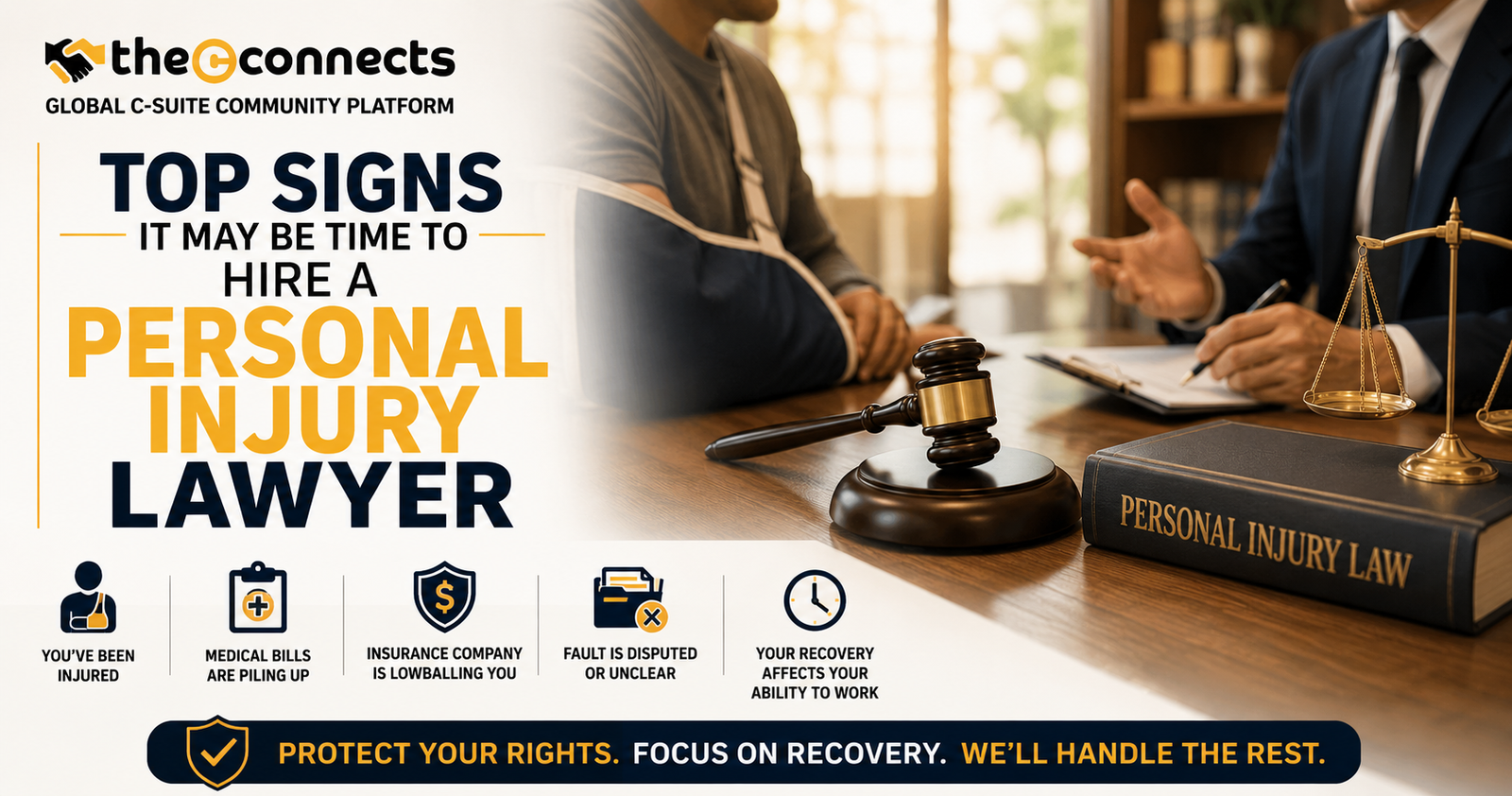

Personal injury accidents occur with alarming frequency in Fort Lauderdale and across Broward County. Recent data shows that the county records tens of thousands of traffic crashes each year, resulting in thousands of injuries and hundreds of fatalities. In 2023 alone, more than 40,000 motor vehicle accidents were reported in Broward County, underscoring how often residents and visitors face the physical, emotional, and financial consequences of serious collisions. These incidents are a major reason personal injury claims remain so common throughout the region.
After an accident, many people are unsure whether they need legal representation or can handle the claims process on their own. While some situations may be straightforward, others quickly become more complicated when injuries are severe, liability is disputed, or insurance companies push back on claims. Speaking with an experienced professional, such as an SKG personal injury lawyer, can help clarify your options and protect your interests. Recognizing the signs that professional legal guidance may be needed is often the first step toward making an informed decision.
Early Legal Guidance Matters
One early warning sign appears when insurance calls arrive before doctors can explain the injury pattern. In that window, a personal injury lawyer may review recorded statements, treatment notes, and rushed settlement language before a damaging comment enters the file. Careful wording matters because fault, symptom timing, and future care needs are often judged from those first conversations, even before swelling settles or specialist visits are scheduled.
Medical Bills Keep Rising
Emergency evaluation is rarely the end of care. Imaging, follow-up exams, physical therapy, injections, and prescription costs can stack up within weeks. Some injuries also need later monitoring for nerve irritation, scar tissue, or reduced joint function. A quick payout may cover current invoices while ignoring future treatment. Such a shortfall can leave an injured person handling ongoing medical expenses long after the claim closes.
Fault Is Being Disputed
Disputed blame changes the case immediately. One driver may claim a sudden stop, while another points to speed, distraction, or an obstructed view. Falls can raise similar arguments about warnings, lighting, moisture, or building upkeep. Each version shapes how insurers value the claim. Legal guidance helps organize records, witness accounts, and scene facts before a shaky narrative becomes the accepted account.
Evidence Can Fade
Proof does not stay fresh for long. Bruising changes color, road markings disappear, and surveillance footage may be overwritten within days. Witness memory also shifts once time passes and stress settles. Such changes make early preservation important, especially when a case depends on timing, visibility, or impact force. Legal support can help secure photos, records, clothing, and electronic data before those details disappear.
Work Time Keeps Shrinking
Injury often harms income before a final diagnosis is even clear. Missed shifts, reduced duties, canceled assignments, and unpaid rest periods can quickly put strain on a household. Some people return too soon, but find that pain, dizziness, or stiffness limits performance. A proper claim should measure current wage loss and changes to future earnings. Such a calculation usually requires:
- Payroll records
- Employer input
- Medical support
A Child Was Hurt
A minor’s injury claim needs extra caution because a child’s body is still developing. Growth can change how a fracture heals or how scar tissue affects movement later. Emotional symptoms may also appear after the physical wound closes. Parents must weigh school absences, follow-up care, and legal approval rules in some settlements. Careful legal guidance can help protect long-term needs during a stressful period.
Permanent Limits Appear
Some injuries leave lasting effects even after the first phase of healing ends. Chronic pain, numbness, weakness, reduced grip strength, scarring, or limited range of motion can alter daily function for years. Once a doctor mentions surgery, impairment, or ongoing therapy, the claim carries greater weight. Strong legal support links those medical findings to work loss, home strain, and reduced independence.
Settlement Pressure Builds
Fast offers often arrive when rent, groceries, and treatment bills feel urgent. Such timing can push people to accept money before physicians understand the full recovery path. Pain may worsen with use, inflammation can persist, and hidden damage sometimes appears later. Closing a claim too early can block payment for needs that may arise later. Legal review helps test whether an offer reflects the actual harm.
Several Parties Share Blame
Some injury cases involve more than one responsible party. A truck collision may point to a driver, carrier, maintenance vendor, or loading company. A property incident might involve an owner, a tenant, a cleaning crew, or a contractor. Every added party can affect available coverage and factual responsibility. Legal help often becomes important when one side tries to shift fault elsewhere or minimize its own role.
● Short Deadlines Hurt Claims
Filing deadlines can quietly damage a strong case. Delay may weaken leverage, limit access to records, or block recovery entirely if a notice period expires. Once timing becomes part of the risk, prompt legal advice is urgent.
Conclusion
Choosing legal help is usually a practical decision, not an emotional one. The need becomes clearer when treatment grows more involved, wages drop, fault is challenged, or symptoms suggest lasting impairment. Early guidance can preserve records, protect statements, and keep future medical costs from being left out of a settlement. For many injured people, these signs show that waiting long to hire a personal injury lawyer may increase the risk more than seeking informed support immediately.