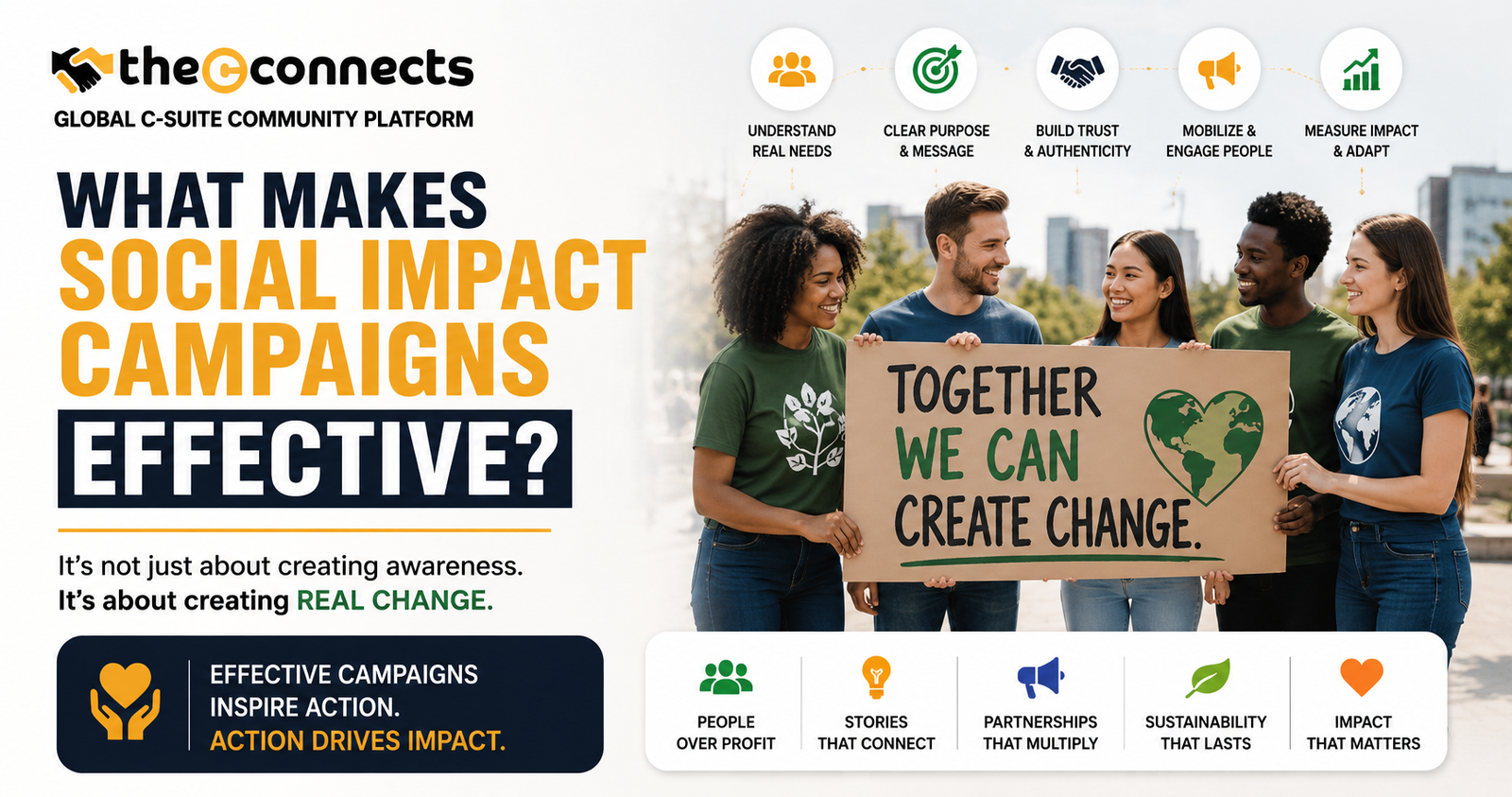

Social impact campaigns are at their best when they do more than raise awareness. They encourage people to care, think differently, and, most importantly, take action. Whether the goal is to improve public health, support sustainability, address inequality, or change everyday behaviors, an effective campaign needs to connect with people on a human level.
The strongest campaigns are not built around noise. They are built around clarity, trust, and relevance.
A Clear Purpose
Every successful social impact campaign starts with a clear purpose. People need to understand what the campaign is about, why it matters, and what change it hopes to create. If the message is vague, audiences may notice it briefly, but they are unlikely to remember it or respond to it.
A strong purpose also helps guide every decision, from the tone of voice to the visuals, media channels, and call to action. It keeps the campaign focused and prevents it from becoming too broad or confusing.
A Strong Understanding of the Audience
Social impact campaigns often fall short when they speak at people rather than to them. To create real engagement, organizations need to understand the audience’s concerns, motivations, barriers, and everyday experiences.
This means asking important questions. What does the audience already believe? What might stop them from taking action? What language feels natural to them? What platforms do they use? When a campaign reflects real people’s lives, it feels more authentic and easier to engage with.
Working with specialists such as Eleven social impact agency can help organizations shape campaigns that are creative, strategic, and grounded in genuine audience insight.
Emotional Connection
Facts and statistics matter, but emotion is often what makes a message stick. A campaign that tells a compelling human story can make a complex issue feel immediate and personal. This does not mean being overly dramatic or manipulative. It means showing the real-world impact behind the issue.
For example, a campaign about food insecurity may be more powerful when it shares the experience of a family affected by it, rather than relying only on numbers. Stories help people see themselves, their communities, or their values within the campaign.
A Simple Call to Action
Awareness is useful, but action is what creates change. Effective social impact campaigns make it clear what people should do next. This could be donating, volunteering, signing a petition, changing a habit, sharing information, or attending an event.
The call to action should be simple, realistic, and easy to follow. If people feel overwhelmed or unsure, they may do nothing. A good campaign gives them a clear next step and helps them feel that their contribution matters.
Consistency Across Channels
Social impact campaigns often appear across websites, social media, email, outdoor advertising, events, and media coverage. While the format may change, the core message should remain consistent.
Consistency builds recognition and trust. It helps people understand the campaign quickly, even if they encounter it in different places. Strong visuals, repeated key messages, and a recognizable tone all contribute to a more memorable campaign.
Measuring Real Impact
An effective campaign should also be measured properly. Likes and shares can be useful indicators, but they do not always show whether real change has happened. Organizations should look at deeper results, such as behavior change, donations, sign-ups, policy influence, or community engagement.
By reviewing performance, campaign teams can learn what worked, improve future activity, and show stakeholders the value of their efforts.