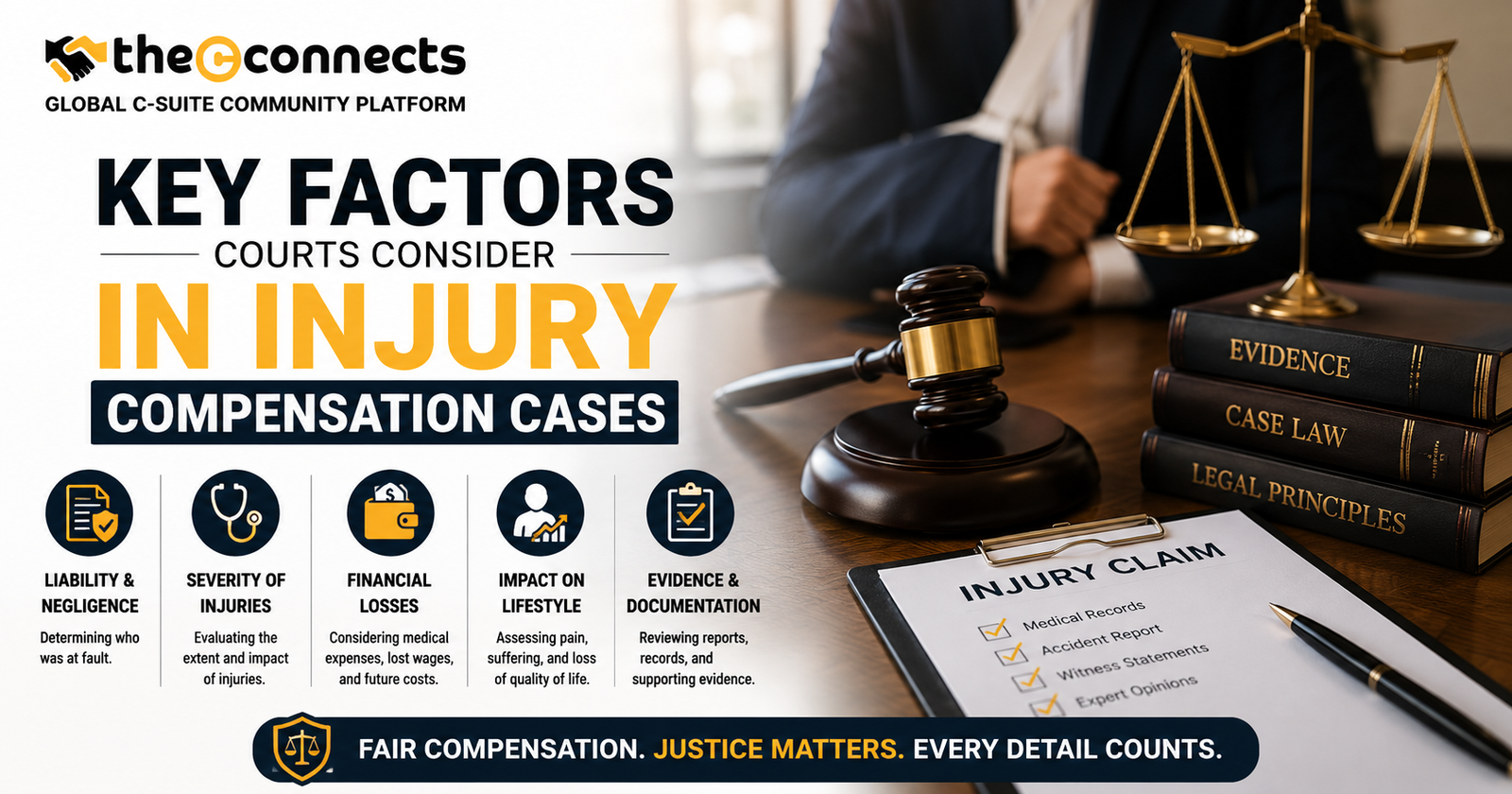

Chicago is a city defined by movement. From its busy expressways and bustling downtown corridors to its diverse neighborhoods and thriving business districts, millions of people navigate the city’s streets, workplaces, and public spaces every day. With so much activity concentrated in one metropolitan area, accidents and injuries can occur in a wide range of circumstances, leaving victims facing physical, emotional, and financial challenges.
The legal process involves far more than simply proving an injury occurred; courts carefully assess the facts, evidence, and impact of the harm on a person’s life before determining an outcome. For individuals trying to protect their rights and secure a fair recovery, knowing what influences these decisions is an important first step. Guidance from experienced professionals, including legal counsel from Postman Law, can help injured victims better understand the legal standards that may affect their case and future.
Liability Basics
After a serious accident, injured people often seek legal counsel while treatment plans grow, wages stop, and insurer calls start pressing for details. Courts set that noise aside. Judges examine duty, breach, timing, and proof. They also ask whether the event caused measurable disruption in movement, sleep, work capacity, home routines, and basic self-care over the weeks that follow.
Medical Records
Medical records often anchor the case because they tie bodily harm to a clear date and mechanism. Emergency notes, imaging results, specialist visits, and therapy logs can show severity and duration. Long gaps in care may raise doubt unless the chart explains the break. Courts also compare symptom reports across appointments to see whether complaints remained stable.
Lost Income
Lost income claims need documents, not guesswork. Pay records, tax filings, schedule logs, and employer statements can show time missed from work. If a person cannot resume the same position, courts may review future earning capacity. Age, training, work history, and medical restrictions all matter. Reduced stamina, slower gait, or limited lifting ability can affect that analysis in practical ways.
Future Costs
Future medical expenses can increase case value, yet courts expect grounded support. Physicians may describe surgery needs, therapy duration, medication use, nerve damage, scar management, or permanent physical limits. Economists sometimes project wage loss and long-term care expense. Without credible testimony, requests for future damages may appear too uncertain. A judge wants a medical basis, not optimism or fear.
Timing and Deadlines
Timing affects both credibility and legal rights. Quick reporting helps preserve names, camera footage, phone data, and road or property conditions. Delay can weaken memory and invite arguments about a different cause. Courts also enforce filing deadlines, which vary by state and claim type. Missing deadlines can end the matter before evidence receives a full hearing.
Insurance Conduct
Insurance conduct can matter when settlement offers arrive before treatment is complete. Early payments may miss hidden complications, added therapy, future procedures, or reduced earning ability. Courts notice whether the valuation rests on records or pressure tactics. Letters, recorded statements, and offer history may help show whether the carrier handled the claim fairly. That history can shape how the dispute is viewed.
Documentation Quality
Strong documentation gives the claim structure and sequence. Photographs should capture the scene, visible wounds, property damage, and conditions likely to disappear quickly. Receipts, prescription costs, and mileage logs can help document out-of-pocket expenses. Organized records also help experts, attorneys, and witnesses describe the same chain of events without conflict. Clear chronology often strengthens credibility before testimony even begins.
Credibility and Consistency
Judges compare medical history, deposition answers, social posts, and courtroom testimony for mismatch or exaggeration. One overstatement can damage trust well beyond that single issue. Consistent reporting, measured explanations, and honest limits usually help far more than dramatic language. A careful witness who admits uncertainty on minor points may appear stronger overall.
State Law Matters
State law sets the rules for fault allocation, damage caps, and wrongful death recovery. Some courts permit broader non-economic awards, while others limit certain claims by statute. Local procedure can also affect evidence deadlines and settlement pressure. The same physical injury may produce very different results under different laws. That legal framework shapes value long before the trial begins.
Conclusion
Fair compensation usually reflects proof, patience, and a medically grounded account of harm. Courts want records that match the story, witnesses who support it, and damage claims that can be explained without guesswork. Strong cases often grow from early treatment, careful documentation, and steady follow-through. When those elements align, judges and juries can assess medical loss, income disruption, and lasting personal impact with greater confidence.