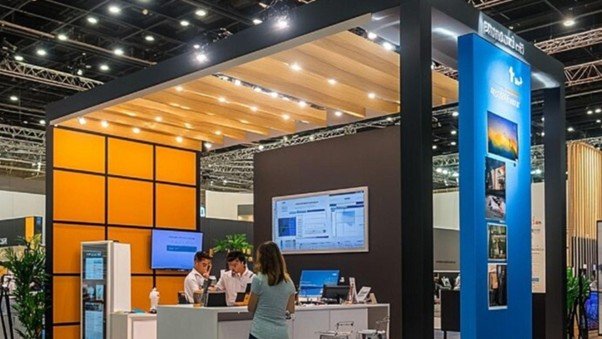

The trade show has remained one of the strongest avenues companies can use to interact firsthand with potential customers, partners, and industry experts. The most successful exhibitors, however, do not always make it, depending on the booth’s presence. Event strategies today are increasingly a physical booth experience, with digital interaction before the event even starts. The combination of old-fashioned convention shows and virtual trade show exhibits enables companies to build awareness, plan meetings, and generate interest well before attendees set foot on the show floor. By synchronizing digital communications, targeted advertising, and strategic communications with on-site exhibition experiences, organizations can significantly increase booth traffic and lead quality. Such coordination makes the trade show more than a mere marketing display. When properly done, it becomes a carefully laid-out campaign in a way that maximizes interest and business value over time.
Five Strategic Ways to Mix Pre-Show Marketing and Trade Show Displays
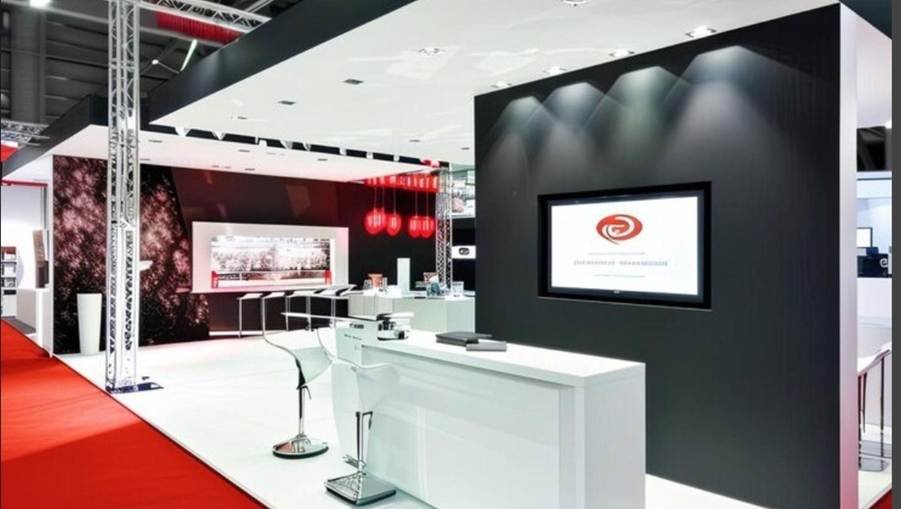
1. Link Booth Design to Pre-Event Messaging.
Custom trade show exhibits, which are professionally designed, are the visual focus of a trade show strategy, and when booth design is integrated with pre-event marketing messages, the experience becomes seamless for attendees. Once the same color scheme, slogans, images, and themes are used across promotional emails, social media posts, and event ads, the brand will be recognized as soon as visitors enter the booth.
This uniformity across marketing channels enhances brand recall. Seeing promotional materials prior to the event makes attendees more likely to identify and visit the booth when they encounter familiar images on the trade show floor. This identification will help mitigate reluctance and promote quicker involvement.
Messaging coordination also ensures that the booth conveys the same value proposition as the pre-show marketing campaigns.
2. Develop Hype With Pre-Show Content Campaigns.
Before a trade show is held, content marketing is important in generating expectations. Products, services, or any innovation that will be presented at the booth can be introduced by blog posts, event countdown announcements, social media previews, and email newsletters.
Video previews, backstage preparations, or sneak previews of booth design features tend to win curiosity in prospective attendees. Such content makes the booth at the trade show a place to look forward to, rather than just another stand among numerous exhibitors.
Businesses can also use content campaigns to establish themselves as thought leaders ahead of the event. Educational articles, industry knowledge, and demonstrations of products shared in advance offer value and motivate audiences to come to the booth and engage in more discussions.
3. Schedule Meetings Prior to the Incident.
Advance planning for meetings can be considered one of the best ways to ensure meaningful engagement at a trade show. Instead of relying on random booth traffic, pre-scheduled appointments will ensure critical dialogues are established during the event.
It can reach out to potential clients, partners, and contacts in the industry weeks prior to the event, through email outreach campaigns and direct invitations. It can be done by providing regular showcases, consultations, or product tours to encourage attendees to commit time to their event schedules.
Meetings that are pre-booked also enable the booth staff to prepare customized presentations for the visitors.
4. Expand Booth Reach by Hybrid Investigations.
The concept of hybrid event approaches, which integrate in-person displays with online tools, has tremendous potential to increase viewership. All interested prospects may be unable to attend the trade show in person, but with virtual elements, such audiences can interact with the brand remotely.
Live product demonstrations, virtual booth tours, and online interactive presentations enable remote visitors to enjoy some aspects of the trade show without necessarily moving to the venue. These virtual experiences supplement the physical booth by introducing additional touchpoints before and after the event.
Hybrid engagement plans also enable companies to capture the valuable data from both face-to-face and distance viewers. The information obtained during digital interactions can be used to refine future marketing campaigns and enhance trade show strategies in general.
5. Sustain the Momentum of a Post-Show Follow-Up.
Most trade show campaigns are most successful when they continue even after the event is over. Marketing activities before the show create awareness, and the trade show itself drives engagement, although regular follow-up is key to ensuring these relationships progress into long-term ones.
The use of follow-up emails, outreach messages, and shared digital content is useful in strengthening the discussions that occurred during the event. Other resources can be provided to attendees, such as product guides, recorded demonstrations, or case studies at the booth.
This reminder keeps the brand at the forefront and gives prospects time to peruse the information discussed at the trade show at their own pace. Follow-up is key to the first investment made in designing the booth and promoting the show beforehand, as it will bring value even after the event is over.
End Point
Pre-show marketing, plus virtual and in-person trade show displays, is the ultimate strategy to maximize the event’s influence. With proper coordination of booth setup with promotional messages, the creation of anticipation, scheduling meetings in advance, integrating hybrid interactions, and effective post-show follow-ups, companies can make trade shows an all-inclusive marketing campaign. This combined strategy will guarantee that booth presence translates into both meaningful contacts and leads, as well as long-term business growth.