

South Carolina’s vibrant cities, growing suburbs, busy roadways, and thriving tourism industry contribute to a dynamic environment where people live, work, and travel every day. While these factors help drive the state’s economy and quality of life, they also increase the likelihood of accidents that can leave individuals facing significant physical, emotional, and financial challenges. In the aftermath of an injury, many people assume that compensation depends solely on the severity of their losses. However, the legal process is often more complex, particularly when questions arise about each party’s role in the events leading up to an accident.
Determining responsibility can become a critical part of evaluating a claim, influencing negotiations, insurance decisions, and potential recovery. Even seemingly minor details can affect how fault is assigned and how damages are calculated under state law. For those seeking reliable legal information, an experienced personal injury lawyer in South Carolina at McWhirter Law can provide valuable guidance when navigating these important considerations.
Basic Rule
After a crash or fall, fault rarely rests neatly with one person. Insurers review speed, visibility, warnings, footwear, lane position, and post-incident remarks before placing a dollar value on harm. Input from a personal injury lawyer can help an injured person test those early assumptions against witness statements, scene images, treatment records, and the physical marks left behind.
Why Percentage Matters
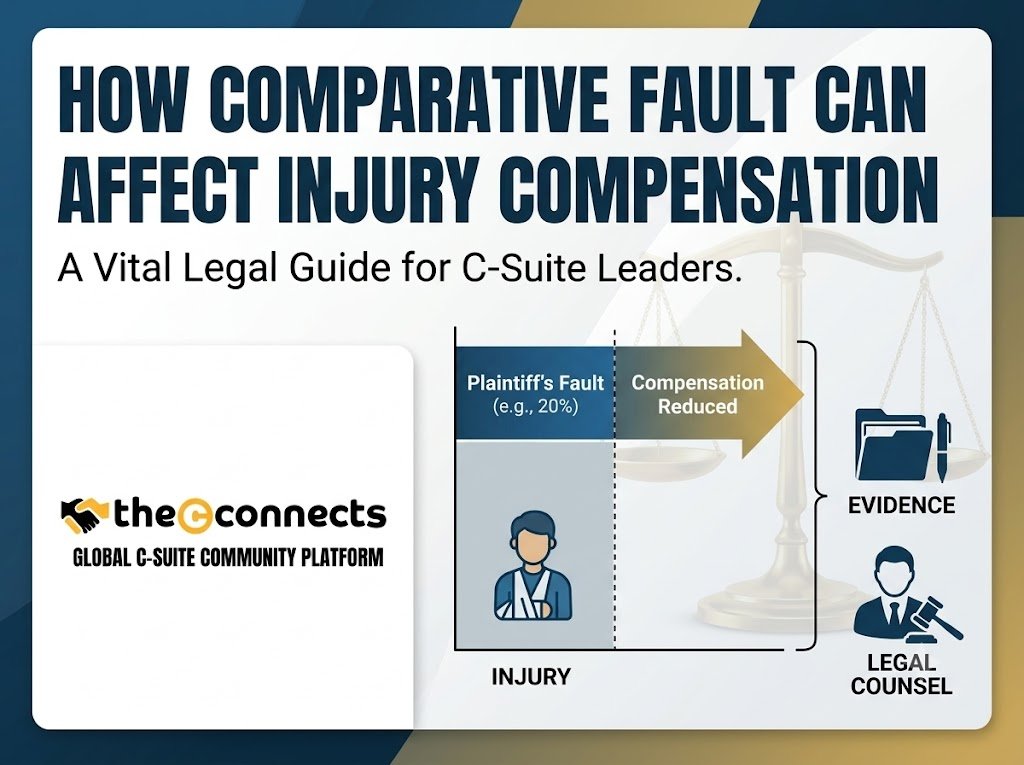
Comparative fault works through percentages. If total damages equal $100,000 and the injured party carries 20% of the blame, recovery falls by that share. The award becomes $80,000. That calculation looks simple on paper. Real disputes usually focus on how each percentage was assigned, which facts were ignored, and whether the evidence actually supports the insurer’s position.
South Carolina Standard
South Carolina uses a modified comparative fault rule. An injured person may recover damages only if that person’s share of blame stays at 50% or less. Recovery stops once the fault reaches 51%. That threshold gives small details unusual weight. A missed signal, an unclear warning, or a careless remark can shift the balance enough to change the entire outcome.
Insurance Tactics
Adjusters often look for facts that increase a claimant’s share of blame. They may point to distraction, hurried movement, delayed treatment, or a failure to notice an obvious hazard. Those arguments can gain traction quickly. Early interviews often happen before records are complete. A rushed statement may create a story that favors the carrier and undervalues the injury.
Evidence That Shifts Fault
Strong evidence can reduce unfair blame. Photographs, surveillance footage, roadway debris, phone data, and witness timelines often show the event more clearly than memory alone. Medical records matter for another reason. They connect symptoms to timing, mechanism, and severity. Clear charting may weaken claims that the injured person caused the incident, exaggerated pain, or made the condition worse afterward.
Shared Fault in Common Cases
Car wrecks often raise mixed-fault questions. One driver may have turned across traffic, while the other traveled too fast for conditions. Slip-and-fall claims raise similar disputes. A store may ignore a wet floor, yet the defense may argue the spill was visible. Product cases also bring misuse allegations, even where a defective part played a substantial role.
Damages Still Count
Comparative fault reduces compensation, at the workplace or for personal cases, but it does not erase the main categories of loss. A successful claimant may still seek payment for emergency care, surgery, rehabilitation, lost wages, reduced earning ability, and physical pain. Serious injuries can also require future treatment, medication, or assistive devices. For that reason, fault analysis should go hand in hand with a careful review of the full damage picture.
Small Errors Can Hurt
Early mistakes can damage a claim. Social media posts, casual apologies, and gaps in care may be used to question credibility or suggest that symptoms were minor. Time matters as well. Video can disappear, skid marks can fade, and witness memory can soften. Careful preparation helps preserve the details that explain conduct, answer weak accusations, and show what truly happened.
Settlement Pressure
Comparative fault often shapes settlement talks before trial. A defendant may offer less money by claiming that the injured party caused a greater share of the event. Financial strain can make that pressure harder to resist. Medical bills arrive quickly. Lost pay can follow within days. Strong documentation changes the discussion by supporting a lower fault percentage and a more accurate valuation of harm.
Conclusion
Comparative fault affects nearly every stage of an injury case, from the first report to final judgment. A few disputed facts can reduce compensation or block recovery under South Carolina’s 51% rule. That is why careful evidence review matters from the start. Blame is often less clear than an early insurance decision suggests, and a disciplined case record can protect against the damages the law still permits.


