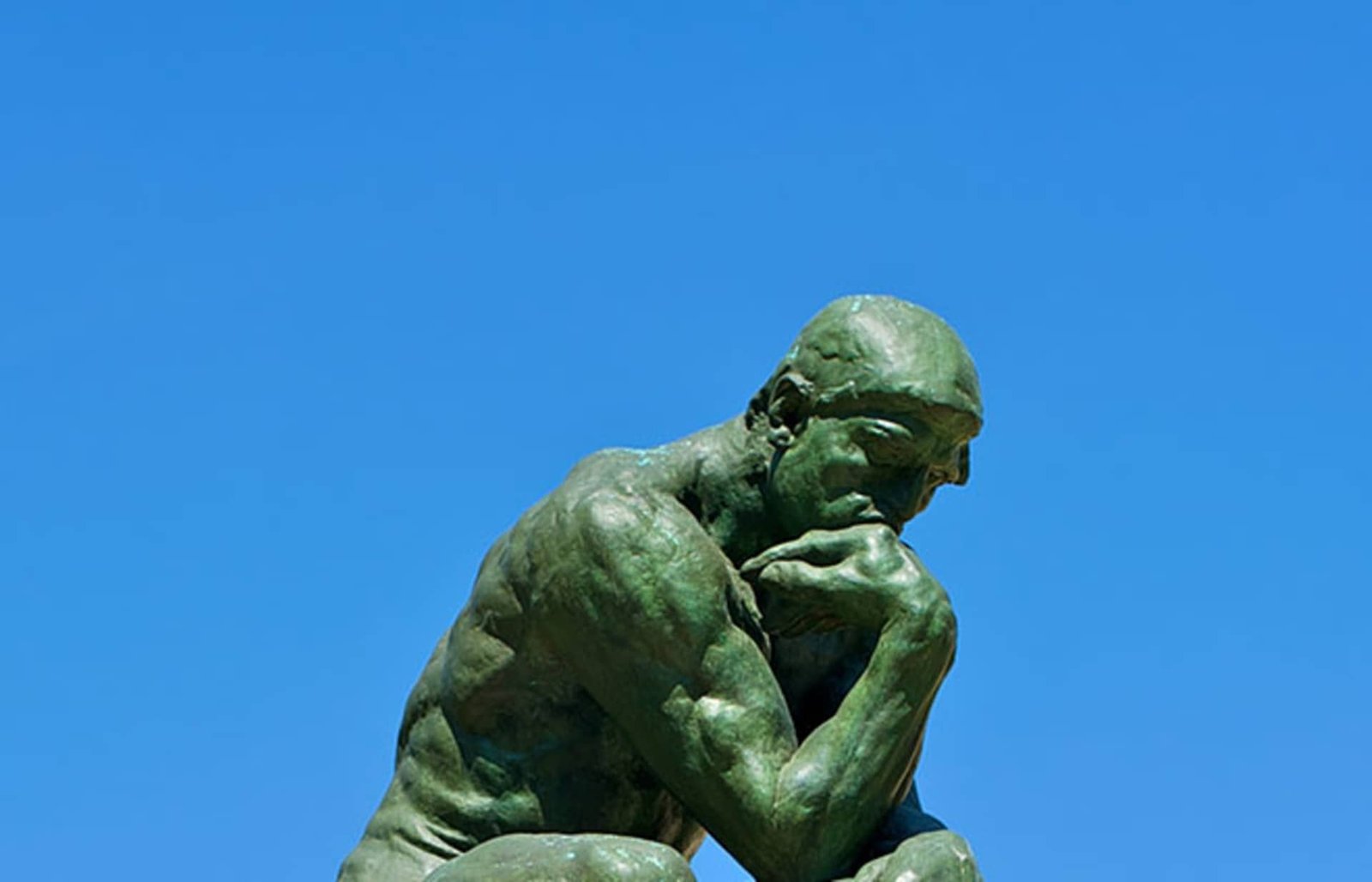

Learn about the major concepts and significant philosophers from the Age of Enlightenment! Explore the ideas of thinkers like John Locke, Jean-Jacques Rousseau, and Voltaire in the areas of reason, the social compact, individualism, and more. Examine the school of thinking that influenced modern ideas.
| Key Ideas/Thinkers | Year | Philosopher/Thinker |
| Reason | 1689 | John Locke |
| Natural rights | 1632 | Thomas Hobbes |
| Social contract | 1762 | Jean-Jacques Rousseau |
| Separation of powers | 1689 | Montesquieu |
| Empiricism | 1561 | Francis Bacon |
| Tabula rasa | 1632 | John Locke |
| Religious tolerance | 1689 | John Locke |
| Freedom of speech | 1692 | John Milton |
| Scientific method | 1564 | René Descartes |
| Individualism | 1712 | Bernard Mandeville |
| Equality | 1690 | John Locke |
| Rationalism | 1596 | René Descartes |
| Secularism | 1690 | John Locke |
| Skepticism | 1561 | Michel de Montaigne |
| Freedom of thought | 1692 | John Milton |
| Progress | 1759 | Voltaire |
| Liberty | 1712 | John Locke |
| Utilitarianism | 1748 | Jeremy Bentham |
| Freedom of religion | 1685 | John Locke |
| Humanism | 1533 | Erasmus |
| Deism | 1696 | Thomas Paine |
| Enlightenment | 1724 | Immanuel Kant |
| Natural law | 1667 | John Locke |
| Egalitarianism | 1712 | Pierre Bayle |
| Civic virtue | 1714 | Bernard Mandeville |
| Separation of church and state | 1689 | John Locke |
| Constitutional government | 1748 | Montesquieu |
| Enlightenment despotism | 1752 | Frederick the Great |
| Freedom of the press | 1692 | John Milton |
| Democracy | 1712 | Jean-Jacques Rousseau |
| Religious freedom | 1689 | John Locke |
| Empirical observation | 1564 | Francis Bacon |
| Voluntary association | 1762 | Jean-Jacques Rousseau |
| Separation of powers | 1752 | Voltaire |
| Civic participation | 1714 | Jean-Jacques Rousseau |
| Rule of law | 1689 | John Locke |
| Religious skepticism | 1712 | Pierre Bayle |
| Inalienable rights | 1690 | John Locke |
| Intellectual freedom | 1692 | John Milton |
| Social progress | 1712 | Bernard de Fontenelle |
| Popular sovereignty | 1762 | Jean-Jacques Rousseau |
| Scientific inquiry | 1564 | René Descartes |
| Human rights | 1696 | John Locke |
| Moral autonomy | 1712 | Bernard Mandeville |
| Freedom of assembly | 1690 | John Locke |
| Liberalism | 1685 | John Locke |
| Constitutionalism | 1689 | John Locke |
| Enlightenment feminism | 1792 | Mary Wollstonecraft |
| Moral relativism | 1561 | Michel de Montaigne |
| Enlightenment economics | 1723 | Adam Smith |
| Rule of law | 1712 | Jean-Jacques Rousseau |
| Enlightenment morality | 1724 | Immanuel Kant |
| Cosmopolitanism | 1751 | Denis Diderot |
| Civic nationalism | 1758 | Jean-Jacques Rousseau |
| Philosophical skepticism | 1712 | Pierre Bayle |
| Natural theology | 1755 | William Paley |
| Enlightenment literature | 1712 | Voltaire |
| Secular ethics | 1712 | Bernard Mandeville |
| Natural philosophy | 1564 | Francis Bacon |
| Enlightened absolutism | 1730 | Catherine the Great |
| Aesthetic autonomy | 1724 | Immanuel Kant |
| Enlightenment architecture | 1728 | Étienne-Louis Boullée |
| Political liberty | 1759 | Benjamin Constant |
| Enlightenment education | 1762 | Jean-Jacques Rousseau |
| Religious pluralism | 1689 | John Locke |
| Critique of religion | 1755 | Denis Diderot |
| Public opinion | 1712 | Pierre Bayle |
| Enlightenment anthropology | 1753 | Jean-Jacques Rousseau |
| Free trade | 1776 | Adam Smith |
| Republicanism | 1762 | Jean-Jacques Rousseau |
| Feminist philosophy | 1792 | Mary Wollstonecraft |
| Enlightenment music | 1750 | Johann Sebastian Bach |
| Civil liberties | 1689 | John Locke |
| Enlightened despotism | 1730 | Joseph II |
| Epistemological empiricism | 1561 | Francis Bacon |
| Enlightened monarchy | 1756 | Frederick the Great |
| Ethical individualism | 1712 | Bernard Mandeville |
| Scientific progress | 1564 | René Descartes |
| Enlightenment theatre | 1700 | Voltaire |
| Economic liberalism | 1776 | Adam Smith |
| Enlightenment art | 1724 | Jean-Baptiste-Siméon Chardin |
| Freedom of religion | 1762 | Voltaire |
| Enlightenment historiography | 1753 | Edward Gibbon |
| Enlightenment human rights | 1689 | John Locke |
| Philosophical empiricism | 1632 | John Locke |
| Enlightened despotism | 1730 | Catherine the Great |