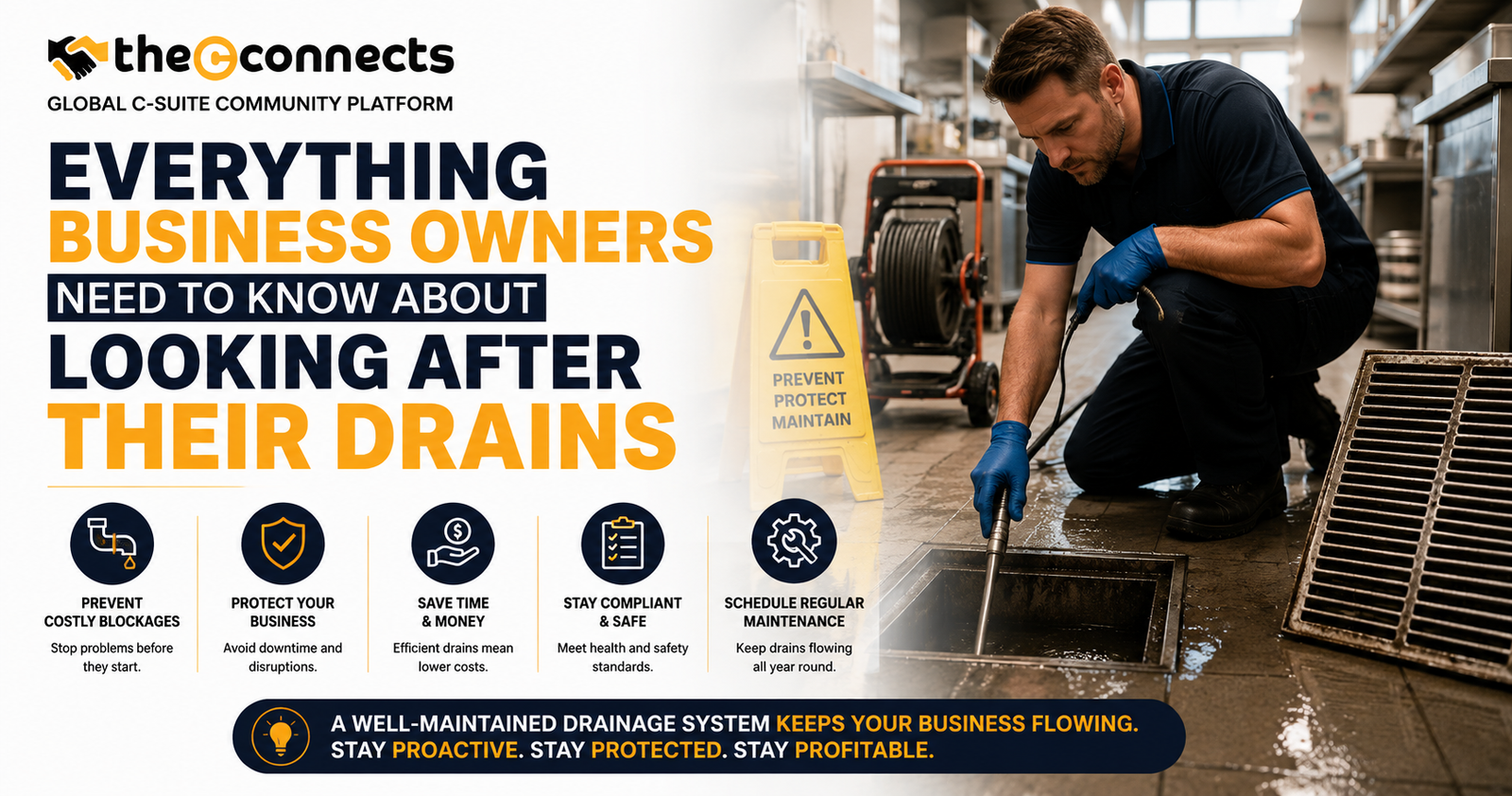

Drainage is not always the first thing business owners think about when planning maintenance, but it can quickly become one of the most disruptive issues if ignored. Whether you run a rural office, restaurant, workshop, retail space, farm, or hospitality venue, your drains play an important role in keeping the business safe, clean, and operational.
A small blockage or neglected system can lead to unpleasant smells, slow drainage, flooding, contamination risks, and expensive repairs. For businesses that rely on customer visits, staff facilities, food preparation areas, or regular water usage, drainage problems can also damage reputation and interrupt trading.
Know What Type of Drainage System You Have
The first step is understanding the drainage setup on your site. Some businesses are connected to mains sewer systems, while others rely on septic tanks or sewage treatment plants. This is especially common for rural businesses or commercial properties outside urban areas.
Knowing what system you have helps you plan the right maintenance schedule. For example, a sewage treatment plant needs different care from a simple drain line or standard septic tank. If your site uses an off-mains system, it is worth reviewing professional commercial and domestic services to make sure everything is being managed correctly.
Watch For Early Warning Signs
Drainage problems rarely appear out of nowhere. There are usually early signs that something is wrong. Slow-draining sinks, gurgling pipes, bad smells, water pooling outside, or toilets that do not flush properly can all point to a developing issue.
Business owners should encourage staff to report these signs quickly. Acting early can prevent a minor problem from becoming a major repair job. It also reduces the risk of disruption during busy periods.
Be Careful What Goes Down the Drain
Many drainage issues are caused by everyday habits. Grease, food waste, wipes, paper towels, chemicals, coffee grounds, and other debris can all build up inside pipes over time. Even products labeled as “flushable” can cause problems in commercial drainage systems.
Businesses should have clear rules about what can and cannot go down sinks, toilets, and external drains. In food-based businesses, grease traps should be checked and cleaned regularly. In workshops or industrial spaces, liquids and materials should be disposed of according to proper waste guidance rather than washed away.
Schedule Regular Maintenance
Reactive repairs are usually more expensive than planned maintenance. Regular inspections, cleaning, and servicing help identify small issues before they become emergencies. This is particularly important for businesses with older buildings, high water usage, or off-mains drainage systems.
A maintenance schedule also helps with compliance and record keeping. If there is ever an environmental concern, insurance query, or operational issue, having evidence of responsible drain care can be extremely useful.
Protect Your Business from Disruption
Looking after drains is not just about avoiding bad smells or blocked pipes. It is about protecting your staff, customers, property, and daily operations. A reliable drainage system supports hygiene, safety, and business continuity.
By understanding your system, spotting warning signs, controlling waste, and arranging regular maintenance, business owners can reduce risk and avoid costly surprises. Drain care may not be glamorous, but it is one of those practical responsibilities that keeps everything else running smoothly.